Make Winter Smarter with a Connected Garage Door
A smart garage door opener makes everyday life easier, especially when the temperature drops and the driveway gets slick. With the right setup, you can tap your phone from the car, watch the door roll up, and stay out of the wind and snow as long as possible.
Many local homeowners deal with the same headaches every cold season: frozen hardware, noisy or unreliable old openers, lost remotes, and slow doors that seem to fight you every time you come home. A modern smart opener can help with all of that by adding better control, safer operation, and more dependable performance in rough weather.
In the Matanuska-Susitna Valley and Anchorage, Alaska, wiring layouts, detached garages, and temperature swings all affect how well a smart system works. As a local garage door team, we work with these conditions every day and understand how to set up both residential and commercial openers for this climate. Below, we will walk through wiring and power basics, Wi-Fi range, cold-weather setup tips, and when it makes sense to bring in a pro instead of trying to handle everything yourself.
Wiring and Power Basics for Smart Garage Openers
Any smart opener starts with safe, reliable power. Working with electricity is not a casual project, and it should always be handled carefully.
A few key safety and code points include:
- Turning off the correct circuit at the panel before touching wiring
- Using grounded outlets and proper junction boxes
- Keeping wiring in good condition, with no cracks in insulation
Modern openers typically draw more consistent power for motors, sensors, and smart modules. Older homes and detached garages sometimes only have a shared lighting circuit or a single worn outlet in the ceiling. In those cases, the safest path is to have a dedicated circuit or upgraded outlet installed by an electrician. For bigger changes or code updates, garage door professionals often coordinate with licensed electrical contractors so everything works together correctly.
Clean power helps smart features stay stable. If voltage drops or surges often, you may see:
- Wi-Fi modules dropping offline
- Wall controls or keypads glitching
- Backup batteries wearing out early
Low-voltage wiring for wall buttons, photo eyes, and keypads should be routed where ladders, bikes, and snow blowers will not hit it. We like to:
- Staple wires neatly along framing
- Keep cables away from sharp edges and moving parts
- Protect runs that pass near workbenches or tall storage
Winter storms, ice on power lines, and outages can cause power spikes. A surge protector rated for garage use can help protect the electronics inside your opener.
If you are replacing an older opener, a few things to check are:
- Condition of existing wires, especially brittle insulation
- Compatibility of sensors and wall controls with the new unit
- Whether the current outlet placement still makes sense
On new garages or shop buildings, it pays to plan ahead. Think about:
- Outlet placement on the ceiling, not just the walls
- Separate circuits for lighting and the opener
- Room for future smart devices or cameras near the door
Getting Reliable Wi-Fi in Anchorage Garages
Smart openers depend on Wi-Fi. The motor can still run without it, but features like phone-control, alerts, and smart-home connections all need a steady signal.
With a smart opener and app, you can:
- Open or close your garage from anywhere with service
- Check if the door was left open when you are away
- Get alerts when the door moves, day or night
- Coordinate with cameras or home security systems
In many homes here, the garage sits at the far end of the house, or it is detached with a thick wall in between. That often puts the opener right at the edge of the router’s range. Concrete, metal siding, heavy insulation, and fire-rated walls can all weaken Wi-Fi signals.
Some practical ways to improve coverage include:
- Moving the router a bit closer to the garage
- Adding a mesh Wi-Fi system with a node near the door to the house
- Using a dedicated Wi-Fi extender placed in a room that faces the garage
Before installing a smart opener, it helps to test Wi-Fi strength in the garage using a phone or simple signal app. If pages load slowly or streaming cuts out, the opener may struggle to stay online too. After any network changes, test again to make sure the signal reaches the opener location on the ceiling.
When choosing a unit, look for models known for strong wireless antennas and a stable app, especially in colder areas where people depend more on remote control and alerts. Local garage door specialists can help you review your garage layout, your current router location, and what might be needed to keep your opener connected.
Cold-Weather Setup Tips for Anchorage Garages
Cold affects everything in a garage door system: metal, plastic, grease, and electronics. Picking the right opener style for this climate is a big part of keeping things moving.
Common drive types include:
- Belt-drive: Quieter, smoother, often a good choice near living spaces
- Chain-drive: Durable and strong, but can be louder in operation
- Direct-drive or wall-mount: Fewer moving parts, frees up ceiling space
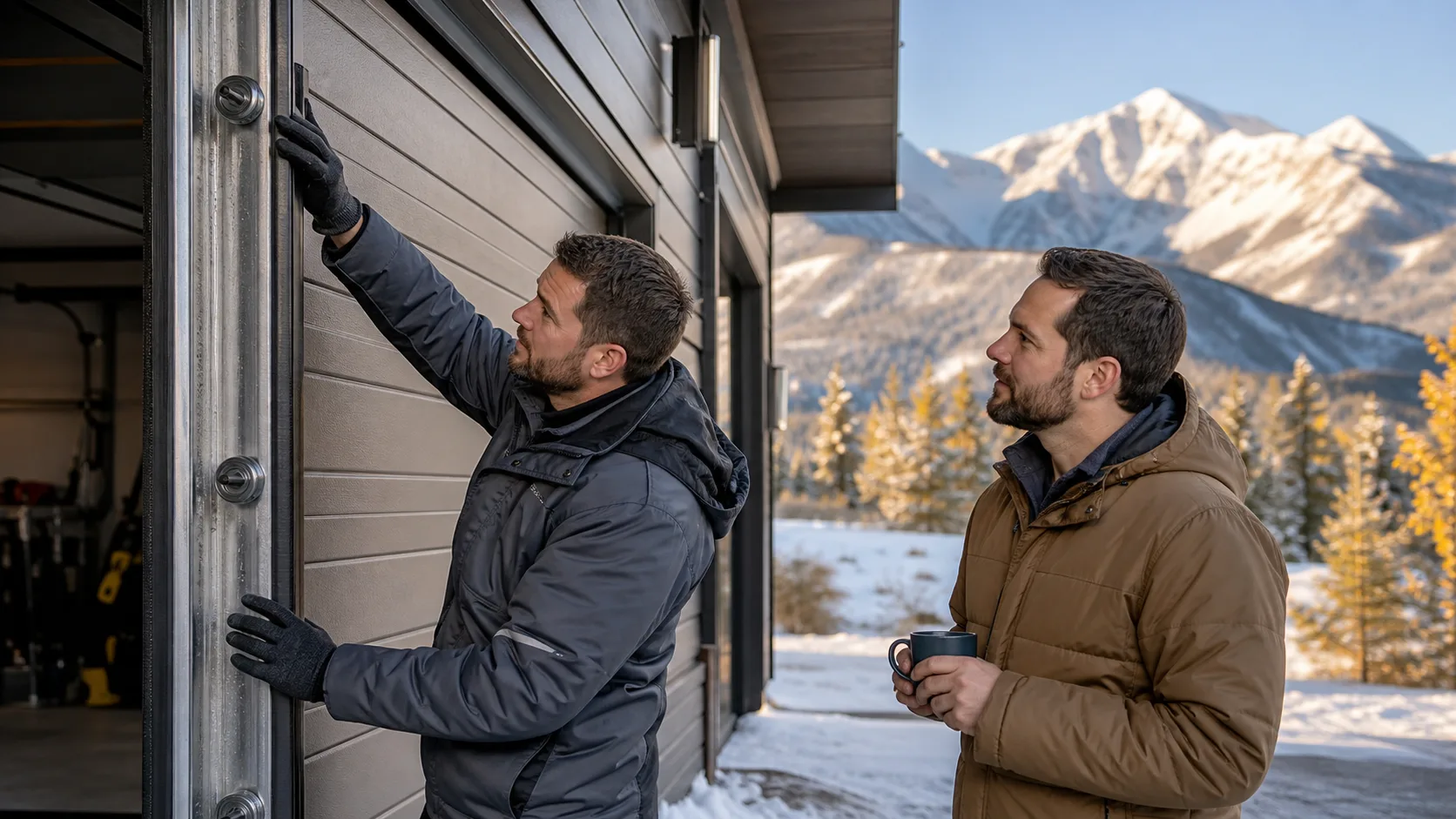
In low temperatures, a well-insulated garage door makes a big difference. Insulation and good weatherstripping help reduce drafts, which keeps hardware from working harder than it needs to. That can mean less strain on the opener motor during long cold spells.
Models with built-in battery backup are helpful when the power goes out during storms. You can still open and close the door, which matters a lot if your garage is your main entry.
Settings matter too. If the force setting is too low, the opener may stop halfway when the door is stiff and cold. If it is too high, it can push too hard and damage parts. Travel limits need to be set so the door seals at the floor but does not slam or bind.
For smoother winter operation, it helps to:
- Lubricate hinges, rollers, and springs with cold-rated lubricants
- Avoid heavy oils that thicken as temperatures drop
- Wipe away old, dirty grease on exposed parts
Seasonal checks are smart as temperatures change. That includes:
- Confirming photo eye sensors are aligned and clean
- Tightening loose bolts and brackets
- Testing the safety reverse system using a sturdy object under the door
Electronics like keypads, sensors, and smart modules can act up in extreme cold. Choosing parts designed for low temperatures and reducing drafts near wiring runs can help. Controlling moisture and condensation in the garage also protects circuit boards and connectors from rust and intermittent issues. Professional installation usually includes adjusting, testing, and fine-tuning everything with winter in mind.
DIY Versus Pro Installation in Alaska’s Climate
Swapping an opener can look simple at first glance, but conditions here add extra challenges. Some handy homeowners feel comfortable changing a unit when the door is light, the ceiling structure is straightforward, and wiring is already in good shape. Even then, safety is a concern.
Basic skills needed for a DIY attempt would include:
- Confident ladder use and overhead work
- Comfort reading detailed instructions
- Simple electrical tasks like connecting to an existing outlet and terminal screws
Common mistakes people run into include:
- Brackets that are not anchored into solid framing
- Tracks or opener rails that are slightly out of level
- Safety sensors set too high or pointed the wrong way
- Loose or exposed low-voltage wiring
Those issues might not show up on the first day, but they can lead to noisy movement, early wear, or unsafe operation.
In many cases, it makes more sense to bring in a local garage door pro, especially with:
- Very heavy or wide doors
- Broken or unbalanced torsion springs
- Detached garages with tricky wiring paths
- Wi-Fi or app issues that are hard to diagnose
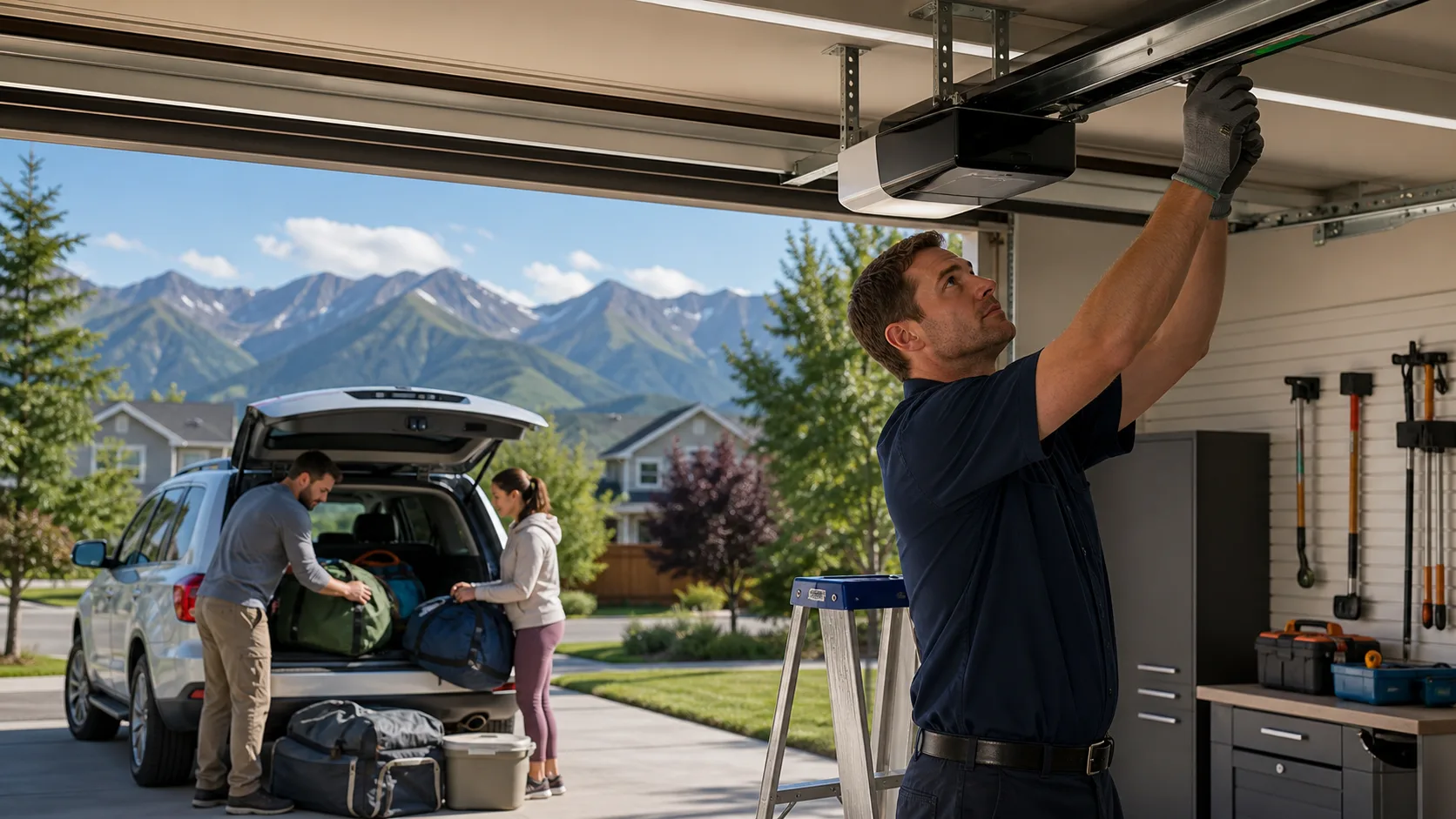
A professional can look at the entire system, from the door panels and springs to the opener size and smart controls. Proper calibration reduces strain on the motor and hardware, which can lower the chance of breakdowns when it is coldest outside. Some companies also offer maintenance plans to keep doors and smart openers tuned before winter, which helps catch small problems early.
Upgrade Your Anchorage Garage Before the Snow Flies
Planning ahead for colder months means less frustration later. When wiring and power are solid, Wi-Fi is strong, and your opener is set up for low temperatures, the whole system runs smoother and feels safer to use. Daily routines like leaving for work, coming home with kids, or unloading groceries become simpler even when it is dark and icy.
It can help to take a close look at your current opener. Ask yourself: Is it loud or jerky? Does it struggle more in cold weather? Does it support the smart features you actually want, like phone-control, alerts, or better security? If the answer to any of these is no, it may be time to consider a modern smart unit and a setup that is built for the conditions we see across Anchorage and the Mat-Su Valley. Elite Doors can provide local guidance, professional installation, and ongoing care so your garage is ready before the next round of snow and deep cold.
Get Started With Your Project Today
If you are ready for a smoother, more reliable garage door, our team at Elite Doors can help you choose and install the right opener for your home. Learn more about our professional garage door opener installation in Anchorage and schedule a convenient time that fits your day. We will walk you through your options, answer your questions, and complete the work with careful attention to detail. If you have specific needs or want a custom recommendation, just contact us to get started.