Protect Your Garage Door Before Alaska’s First Hard Freeze
Alaska’s weather is hard on garage doors. In the Mat-Su Valley and Anchorage, we see quick temperature swings, long cold snaps, and wet, messy shoulder seasons that put quiet stress on every part of your door system.
Late summer and early fall are the best times to get ahead of problems, before the first hard freeze locks everything in place. A little attention in spring and fall can keep your door moving smoothly when the snow, ice, and wind pick up.
In this article, we will walk through the warning signs to watch for in spring and fall, how local weather patterns should guide your timing, and which jobs are better left to a professional service so your residential garage door maintenance is safe and effective.
How Alaska’s Freeze-Thaw Cycles Damage Garage Doors
Freeze-thaw cycles are tough on metal, plastic, and rubber. When temperatures jump above and below freezing, the metal parts on your garage door expand and contract over and over again. Over time, that can cause:
- Tracks to shift slightly out of alignment
- Hinges and brackets to loosen
- Springs to wear faster and lose tension
- Rollers to grind and get noisy
In Anchorage and the Mat-Su Valley, snow and ice often blow into the garage door opening. Ice can build up in the tracks, around the bottom seal, and around hardware near the floor. As vehicles bring in road salt and slush, that mix sits on metal parts and encourages rust, especially on springs, hinges, and bottom brackets.
Problems often show up during season changes. When it suddenly gets colder, you might notice:
- A door that was “just a bit noisy” is now squealing or grinding
- The door hangs up on the way up or the way down
- The bottom of the door freezes or sticks to the floor
Seasonal, proactive residential garage door maintenance reduces the chance that your door will fail during a winter storm and helps extend the life of both the door and opener.
Spring Checklist After Breakup: Catch Winter Damage Early
When breakup hits and the snow finally melts, it is a good time to see what winter left behind. Longer daylight and drier days make inspection easier.
Start with a simple visual check:
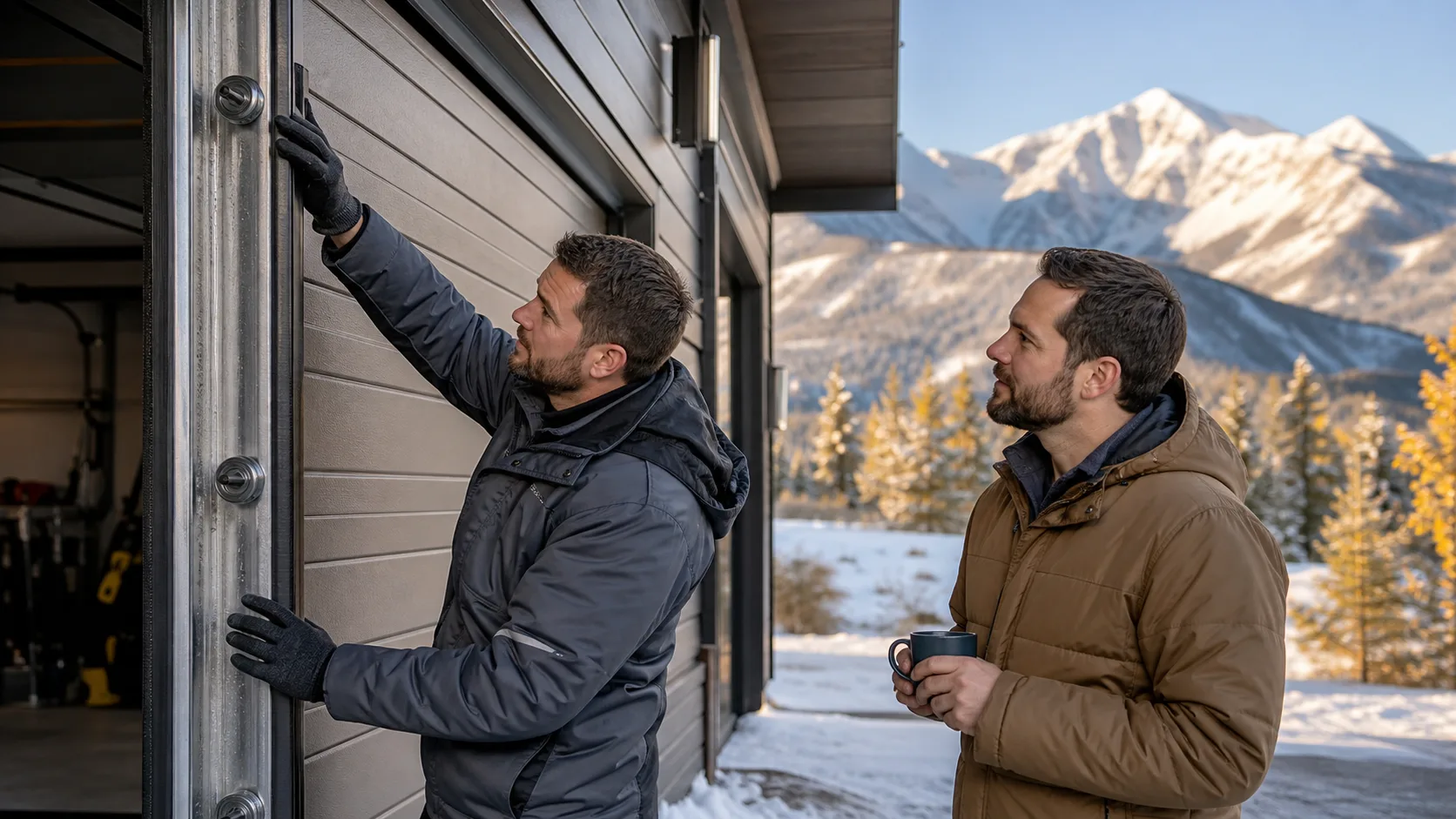
- Look at the weatherstripping along the bottom and sides for cracks, gaps, or peeling
- Look down both tracks for bends, dents, or damage from snow load or plowing
- Check springs, hinges, and brackets for rust or flaking metal
- On wood or composite doors, look for warping, swelling, or soft spots
Next, pay attention to how the door moves and how it sounds. With the opener running, listen for new or louder:
- Grinding
- Squealing
- Rattling
These noises can be signs of worn rollers, dry hinges, or alignment problems. Also, test basic safety features like:
- Photo-eye sensors, to be sure they stop and reverse the door
- Auto-reverse, by using a solid object like a block of wood on the floor under the door
Winter ice, snow, and slush can leave sand, gravel, and de-icer in the tracks and around sensors. Light cleaning helps, but if you notice more than simple dirt, or if anything seems bent, strained, or out of place, it is a good time to plan a spring maintenance visit so a technician can fix small issues before they grow.
Late Summer and Fall Checklist Before the First Snow
As nights cool down and the forecast starts to mention the first snow, focus on keeping cold air and moisture out and making sure all moving parts are ready for heavier use.
Start with weatherproofing:
- Inspect the bottom seal for cracks, flat spots, or places where light shows through
- Check side and top weatherstripping for gaps or sections pulling away from the frame
- Notice any drafts, musty smells, or signs of rodents along the door edges
Next, look at hardware and moving parts:
- Watch the rollers as the door moves, looking for wobble or dragging
- Check for loose bolts on hinges and brackets
- Look at lift cables along the sides of the door for fraying or visible damage
- Listen to the opener chain or belt for slapping, jerking, or hesitating
You also want to be ready for power outages and winter storms. Test:
- Remote controls and keypads
- Any opener battery backup, if you have one
- The manual release, to be sure you can open the door by hand if needed
If anything feels stiff, jammed, or unsafe during these checks, do not force it. That is a sign to have a professional take a closer look before temperatures drop further.
Noise, Slowness, and Sticking: Warning Signs Not to Ignore
Garage doors rarely fail without giving some warning. Seasonal shifts often bring those warnings to the surface.
New or worsening noises can point to different issues:
- Rattling can mean loose hardware or out-of-balance parts
- Grinding often comes from worn rollers or metal rubbing in the tracks
- Screeching or squealing can signal dry or stressed hinges and springs
Changes in how the door moves are also important. Watch for:
- Slower opening or closing than you are used to
- Jerky, uneven movement on the way up or down
- The door reversing for no clear reason
- The bottom of the door sticking to the ground in damp or icy weather
Visible red flags are often time-sensitive:
- Sagging sections when the door is partway open
- Corners that do not fully seal when the door is closed
- Cables that look loose, frayed, or starting to unwind
These are not simple fixes. They often point to spring, cable, or structural issues that are best handled by a trained technician, especially before cold weather makes repairs harder and more urgent.
When DIY Stops and It’s Time to Call a Professional
Some light checks are safe for most homeowners. These include:
- Gently cleaning photo-eye sensors
- Wiping dirt and loose debris out of exposed track areas
- Watching and listening to the door run and taking note of changes
But many parts of a garage door system are under high tension and can be dangerous if handled without training. Work that should be left to professionals includes:
- Torsion or extension spring repair or replacement
- Cable repair or replacement
- Major track alignment and structural fixes
- Opener adjustments beyond simple remote or keypad checks
A local professional service that works every day in Anchorage, Wasilla, Palmer, and nearby communities understands how severe cold, wind, and road conditions affect residential garage door maintenance. That local experience helps catch patterns that are common in our area, like corrosion from road salt, wind-related damage, and problems triggered by fast temperature drops.
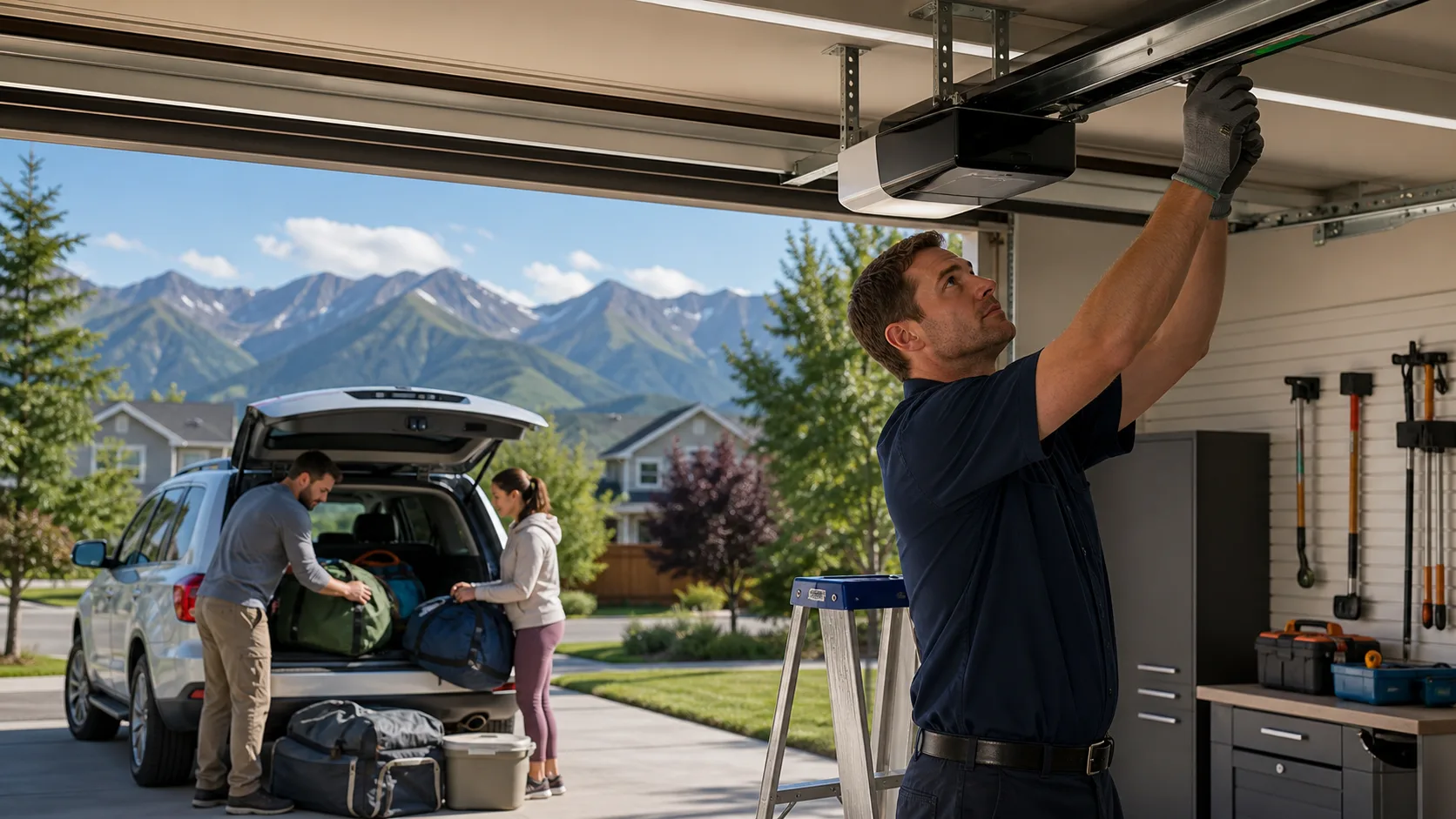
During a seasonal tune-up, a technician typically performs a full system inspection, checks springs and hardware, looks at track alignment, tests safety systems, and notes early wear that might not be obvious yet. That preparation helps your door handle fall storms and deep winter cold with fewer surprises.
Protect Your Home With Reliable Garage Door Care Today
If you are ready to keep your garage door safe, quiet, and dependable through every season, we are here to help. Learn how our residential garage door maintenance services can extend the life of your system and prevent costly breakdowns. At Elite Doors, we will inspect, tune, and repair your door so you can avoid surprises and protect your home and family. Have questions or want to schedule service now? Simply contact us and we will follow up promptly.