
Protect Your Garage Door Before Anchorage’s First Freeze
Garage doors in Anchorage and the Mat-Su do a lot of work in tough conditions. Long winters, heavy snow, and deep cold put every part of the system to the test. Getting ahead of that stress in the fall is one of the smartest things a homeowner can do.
When temperatures drop fast, small issues can turn into big problems. Doors stick to the concrete, openers strain and stop mid-cycle, springs snap, and ice builds up along the bottom seal. Many of these headaches are preventable with a simple, focused checklist before the first hard freeze.
In this guide, we share a practical seasonal garage door maintenance plan tailored to Southcentral Alaska. You can work through it in a single afternoon, and it can go a long way toward avoiding winter breakdowns, frozen doors, and stressful emergency repairs once storms start rolling in.
Inspect, Seal, and Weatherproof Against Arctic Air
Start with a slow, careful walk around your garage door. Look at both the inside and outside.
Check for:
- Cracked or dented panels
- Rusted or loose hinges and brackets
- Loose fasteners along the tracks
- Any sections that look warped or out of alignment
Then, with the door closed, turn off the garage lights and look for daylight around the perimeter. If you see light at the sides, top, or under the bottom seal, that means cold air, wind, and blowing snow have a path inside. Those gaps also let warm air escape, which makes your garage colder and harder to keep comfortable.
Next, focus on the weatherstripping and bottom seal. In our climate, these parts work overtime and tend to wear out faster than many people expect.
- Bottom rubber that is flattened, cracked, or brittle to the touch
- Side and top seals that are pulled away from the frame or missing chunks
- Hard plastic that no longer flexes when you press it
When wear is limited to a small section and the door is otherwise in good shape, many homeowners choose to have the seals replaced as part of routine service. If the gaps are large, the door feels drafty, or panels look damaged, it is usually better to have a professional inspect the full system so any underlying issues can be found.
Anchorage and the Mat-Su see strong winds, drifting snow, and long stretches of subzero temperatures. That means a tighter seal is more than just a comfort upgrade. Proper weatherstripping helps:
- Reduce heat loss from rooms above or next to the garage
- Protect vehicles, tools, and stored items from moisture and frost
- Limit ice buildup along the floor line
Good sealing makes the garage feel less like the outdoors and more like part of the home, even when it is storming outside.
Lubricate Moving Parts so They Do Not Seize in the Cold
Metal parts contract and stiffen in cold weather. As temperatures drop, friction increases on rollers, hinges, and springs. That added strain can turn a quiet door into a loud, jerky one and can push worn parts past their limit.
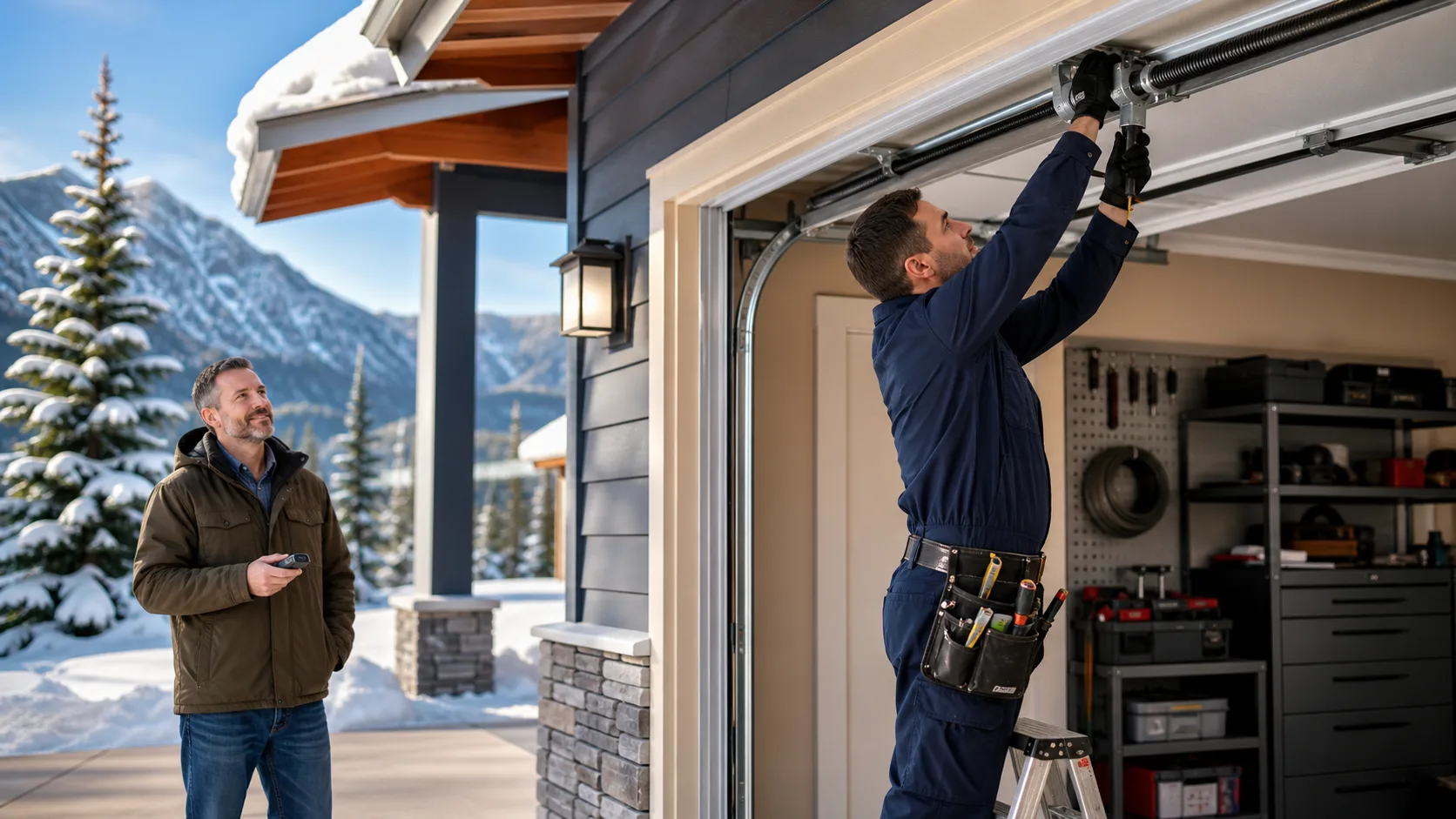
Fall is a great time to get lubricant where it needs to go before the deep cold sets in. With the door closed and opener unplugged, a service visit will usually include careful lubrication of:
- Hinges at each panel break
- Metal rollers and their stems
- Bearing plates at the ends of the torsion tube
- The opener rail and drive system if the manufacturer recommends it
Garage door-specific lubricants or silicone-based products work better in our climate than general household oils. Many common oils attract dust, thicken in the cold, and can leave a sticky mess that does not help performance.
Some areas of the door system are under high tension, especially torsion springs and lift cables. Those parts hold a large amount of stored energy and can be dangerous to work on without the right tools and training. For that reason, we recommend leaving spring and cable care to a trained technician, particularly on older doors or heavier commercial doors. A regular professional tune-up goes a long way toward smooth, safe operation through the winter.
Fine-Tune Garage Door Opener Settings for Dark, Icy Days
Your opener also needs a little attention before winter. Start by checking its safety features.
You can test the auto-reverse by placing a small, solid object like a piece of scrap lumber flat on the ground where the door closes. When you close the door, it should reverse as soon as it touches the object. If it does not, that is a sign the opener needs service.
Photo-eye sensors near the bottom of the tracks also deserve a look. Clean the lenses with a soft, dry cloth, then make sure the two sensors are aimed directly at each other and mounted firmly. In our area, kids, bikes, and yard tools often bump them out of alignment over the summer. Once winter hits, low sun angles and snow glare can make borderline alignment problems worse.
Colder temperatures can make the door a bit harder to move, so the opener may need small adjustments to force, travel, or speed settings. It is important that these changes be made carefully and according to the opener manual. If the force is set too high, the opener may not stop when it should, which is a safety risk for people, pets, and vehicles.
Since winter days are short, check the opener light bulbs as well. Brighter LED bulbs that are rated as opener-safe can improve visibility when you come home in the dark. It is also smart to confirm the manual release works smoothly and that you know how to use it. In a power outage during a storm, that little red handle can make the difference between being stuck outside and getting in safely.
Manage Snow, Drainage, and Ice to Keep Doors Moving
Even with a well-tuned door and opener, snow and ice around the garage can cause problems. Start where the concrete meets the driveway.
Look at how water drains in front of the door. After rain or melting snow, does water sit along the threshold? Pooling water often freezes into a solid strip of ice that bonds the bottom seal to the concrete. That can leave your car trapped inside or outside when you need it most.
Helpful steps include:
- Checking that the driveway slopes slightly away from the garage
- Clearing leaves, gravel, and debris from drains or trench systems
- Keeping the threshold swept and dry when possible
To reduce freeze-down, try to keep the line where the door meets the floor free of slush and heavy snow. It can be tempting to throw salt right against the rubber seal, but that can speed up wear and cracking. If ice does form, use ice melt products a little away from the seal and gently chip ice off the concrete, not off the bottom of the door itself. Never use a vehicle or heavy force to try to break a frozen door loose, since that can damage panels, tracks, and the opener.
Around the outside of the door, manage snow piles so they do not press against the tracks, frame, or keypad. When snow stacked against the house melts and refreezes, it can creep into the tracks and other tight spaces, then turn to solid ice. Regular clearing after storms is one of the simplest forms of garage door maintenance in Anchorage, especially in winters with repeated heavy snowfall.
Schedule Your Pre-Winter Checkup with Local Experts
The best way to stay ahead of winter problems is to treat this fall checklist as a yearly habit. Many homeowners pick a weekend in September or early October to look over the door, seals, opener, and drainage before the first real freeze. Keeping a simple note of what was replaced or adjusted makes the next year’s check even quicker.
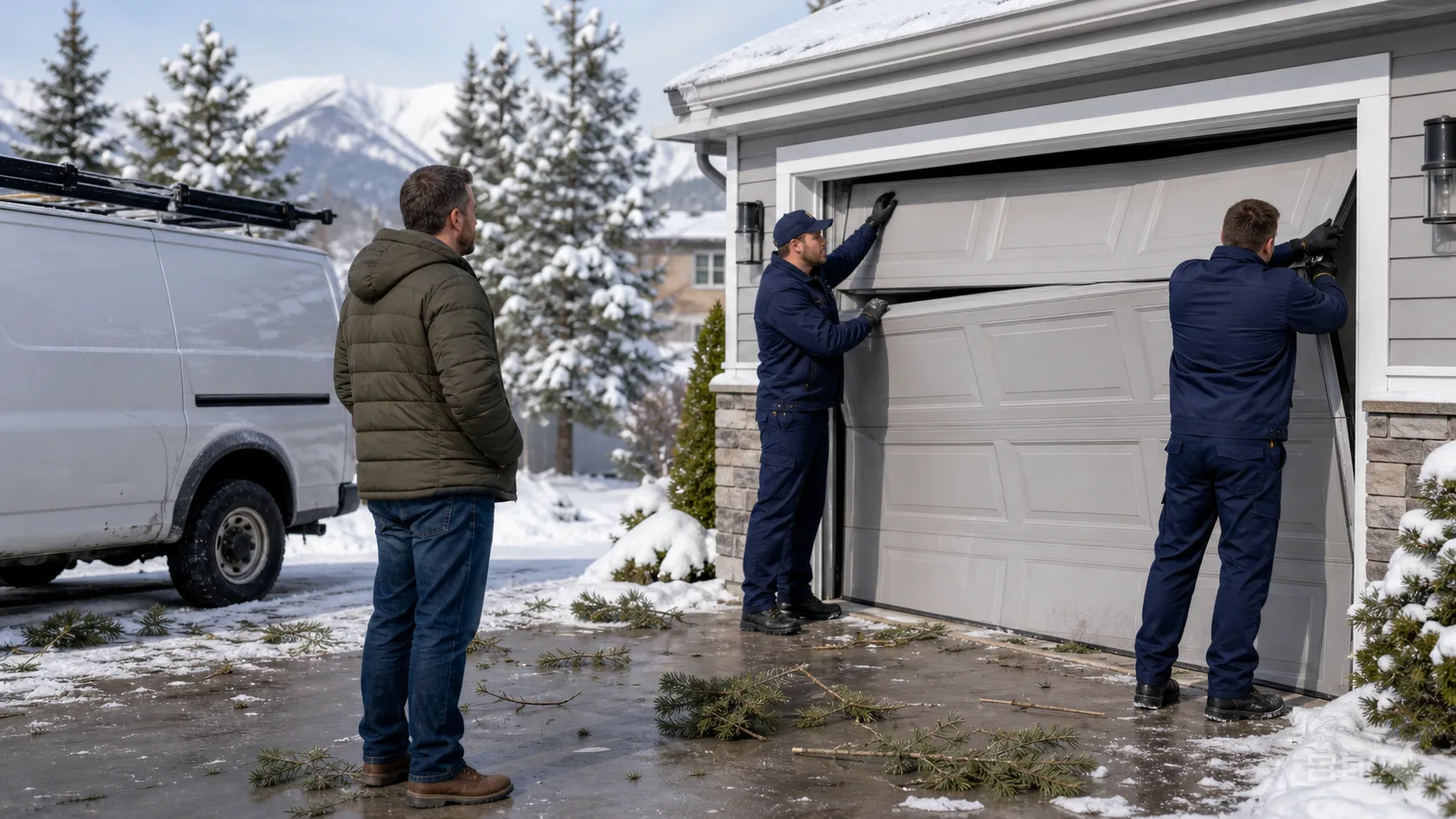
There are times when a professional inspection is the safer choice. Watch for signs like frayed or loose cables, a door that looks crooked or sags when partway open, loud grinding or popping noises, or an opener that often reverses or stops for no clear reason. These issues point to deeper mechanical problems that should be handled by a trained technician.
At Elite Doors, we work with residential and commercial doors across Anchorage and the Matanuska-Susitna Valley, so we see firsthand how local weather affects every part of a garage door system. A focused fall tune-up helps reduce winter emergencies, keeps your door operating more quietly, and can extend the life of both the door and opener. With a little planning before the first freeze, your garage can be ready for whatever this winter sends your way.
Protect Your Home With Reliable, Year-Round Garage Door Care
Keep your door running smoothly and avoid costly breakdowns with professional garage door maintenance in Anchorage from Elite Doors. We inspect, tune, and repair critical components so your system stays safe and dependable in every season. If you are ready to schedule service or have questions about your garage door, contact us today.