Stop a Stuck Door Fast While Protecting Your Family
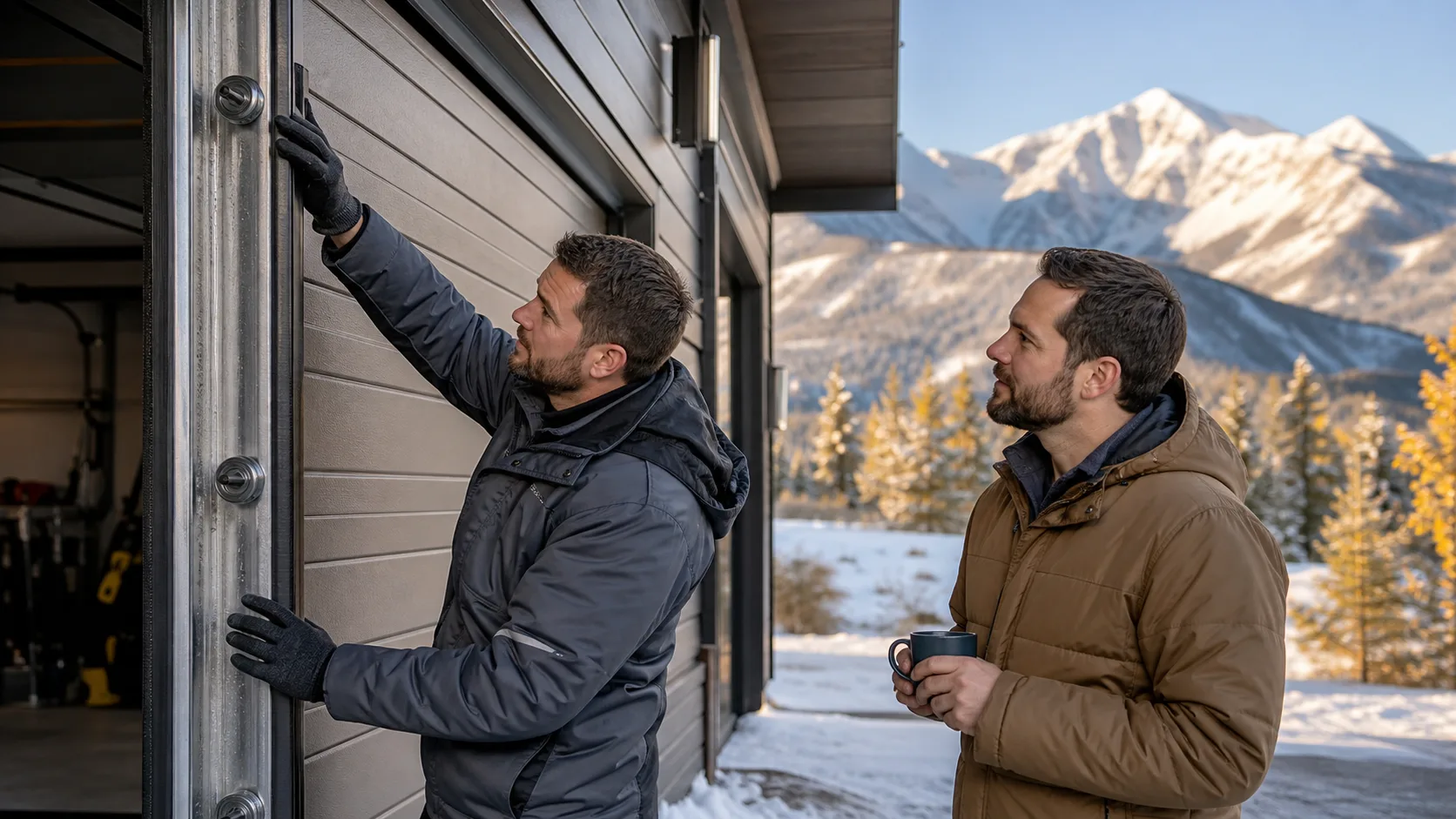
When a garage door opener quits on a dark, cold Anchorage evening, it is more than just annoying. Your car can be stuck, your tools and gear left exposed, and your home feels less secure if the door will not close. A stuck door can also be scary if kids or pets are nearby and the opener starts acting up.
We want you to stay safe and calm if this happens. You can check a few simple things yourself, like sensors, remotes, and basic settings. Some problems are safe for a homeowner to handle, and some need a trained technician for garage door opener repair in Anchorage. Late August is a smart time to deal with opener issues so you are not fighting them when ice, snow, and subzero cold arrive.
Safety First Before Any Garage Door Opener Fix
Garage doors look simple, but they are heavy and under a lot of tension. The springs, cables, and tracks are built to lift that weight, and when something goes wrong, there is real risk of injury. That is why safety comes before any kind of fix.
Before you touch anything, follow these steps:
- Disconnect power to the opener if you are working near the motor head, wiring, or ceiling outlet.
- Use the emergency release cord only when the door is fully closed or safely blocked so it cannot drop.
- Keep kids, pets, and bystanders out of the area while you are working.
Some parts are usually safe for simple checks, like:
- Photo eye sensors near the bottom of the tracks
- Remote controls and wireless keypads
- Basic opener settings, like lock mode or light settings
Other parts should always be handled by a professional:
- Torsion or extension springs
- Lift cables and drums
- Bent or broken tracks
- Structural damage to the door panels
In Alaska, there are extra hazards. Icy concrete can be slick, and garages are often dim, especially in winter. Wear boots with good grip, gloves, and eye protection. Use bright lighting so you can see what you are doing and spot any damaged parts before you get too close.
Fixing Sensor Alignment and Photo Eye Problems
The small boxes near the bottom of your door tracks are safety sensors, sometimes called photo eyes. They send a beam of light from one side of the door to the other. If something blocks that beam, the opener should stop and reverse so the door does not close on a person, pet, or object.
When these sensors are out of line or dirty, the opener may think something is in the way all the time. Common signs include:
- The door starts to close, then pops right back open.
- The opener lights blink and the door will not close with the remote.
- One or both sensor indicator lights are off or flickering instead of solid.
Here is a safe DIY checklist for sensor problems:
First, look closely at the sensor lenses. Dirt, dust, spider webs, or snow and ice can block the beam. Use a soft, dry cloth to gently wipe each lens. Avoid harsh cleaners that might scratch the plastic.
Next, check the small lights on each sensor. On most openers, both lights should glow steady when they are lined up correctly. If a light is dim or blinking, gently twist or nudge the sensor until the light stays solid. Take your time; small movements can make a big change.
Look at the metal or plastic brackets that hold the sensors. If a snow shovel, bike, or trash can has bumped them, they may be bent or loose. Tighten any loose screws with a hand tool, not power tools, so you do not crack the housing.
If your garage is unheated in Anchorage or the Mat-Su Valley, cold and rodents can be hard on low wires. Scan the sensor cables for bare spots, chew marks, or brittle sections. If you see broken wires, cracked brackets, or if the door refuses to reverse when you block the beam with a solid object, it is time to stop and bring in a professional. Repeated misalignment or sensors that will not stay lit usually mean deeper wiring or opener issues that need expert repair.
Remote, Keypad, and Programming Glitches You Can Solve
Remote and keypad problems can feel like the whole opener is failing, but they are often simple. The wall button might work fine, but the remotes will not respond. Maybe the remote only opens the door when you are right under it, or a wireless keypad outside stops working when the weather turns cold.
Start with the easy fix: new batteries. Cold Alaskan winters are hard on small batteries, and they can lose strength faster in unheated garages or keypads on the outside wall. Replace batteries in every remote and the wireless keypad at the same time so you know they are fresh.
If that does not help, try reprogramming. Most openers have a learn button on the motor unit. The basic steps are usually:
- Press and release the learn button until a light comes on.
- Press the button on your remote within a few seconds.
- Wait for the opener light to blink or click to confirm programming.
Always follow the specific steps in your opener manual or from the opener manufacturer. For keypads, make sure you are pressing the right sequence of keys, and that the keys are not stuck from dirt or ice. Wipe the keypad gently and reenter your code. If needed, reset the keypad and set a new code.
Check the wall control next. Some models have a lock or vacation mode that blocks remote signals. Look for a lock icon or a small button on the wall unit, and turn that mode off if it is on.
Call for garage door opener repair in Anchorage when:
- Remotes or keypads refuse to program, even after careful steps.
- The range stays poor after new batteries and reprogramming.
- The wall control is dead, flickering, or showing error lights that suggest board or wiring trouble.
Gear Wear, Strange Noises, and Motor Strain
As openers age, internal gears and drive parts wear out, especially in cold climates where the motor works harder. Years of lifting a heavy, sometimes icy door can take a toll.
Watch for these signs of gear or drive wear:
- The motor runs, but the door does not move, or it lifts only a few inches and stops.
- You hear grinding, popping, or harsh rattling when the opener runs.
- You notice plastic shavings or fine metal dust near the opener cover or on top of your car.
You can do a few basic checks without opening the motor housing. Stand at a safe distance and watch the door while someone else operates it. Try to tell if the noise is coming from the door hardware or from the opener itself at the ceiling.
Look along the rail, chain, or belt that connects the opener to the door. A chain that hangs with a big sag or a belt with missing teeth can cause slipping or noise. Some units allow light adjustment of chain or belt tension. Follow the instructions on the opener, and only turn the tension nut a little at a time.
You can also reduce strain by caring for the door. Use a garage door-safe lubricant on metal rollers, hinges, and the sides of the tracks where the rollers ride. Do not use WD-40 or heavy grease; they attract dirt and can make things worse over time.
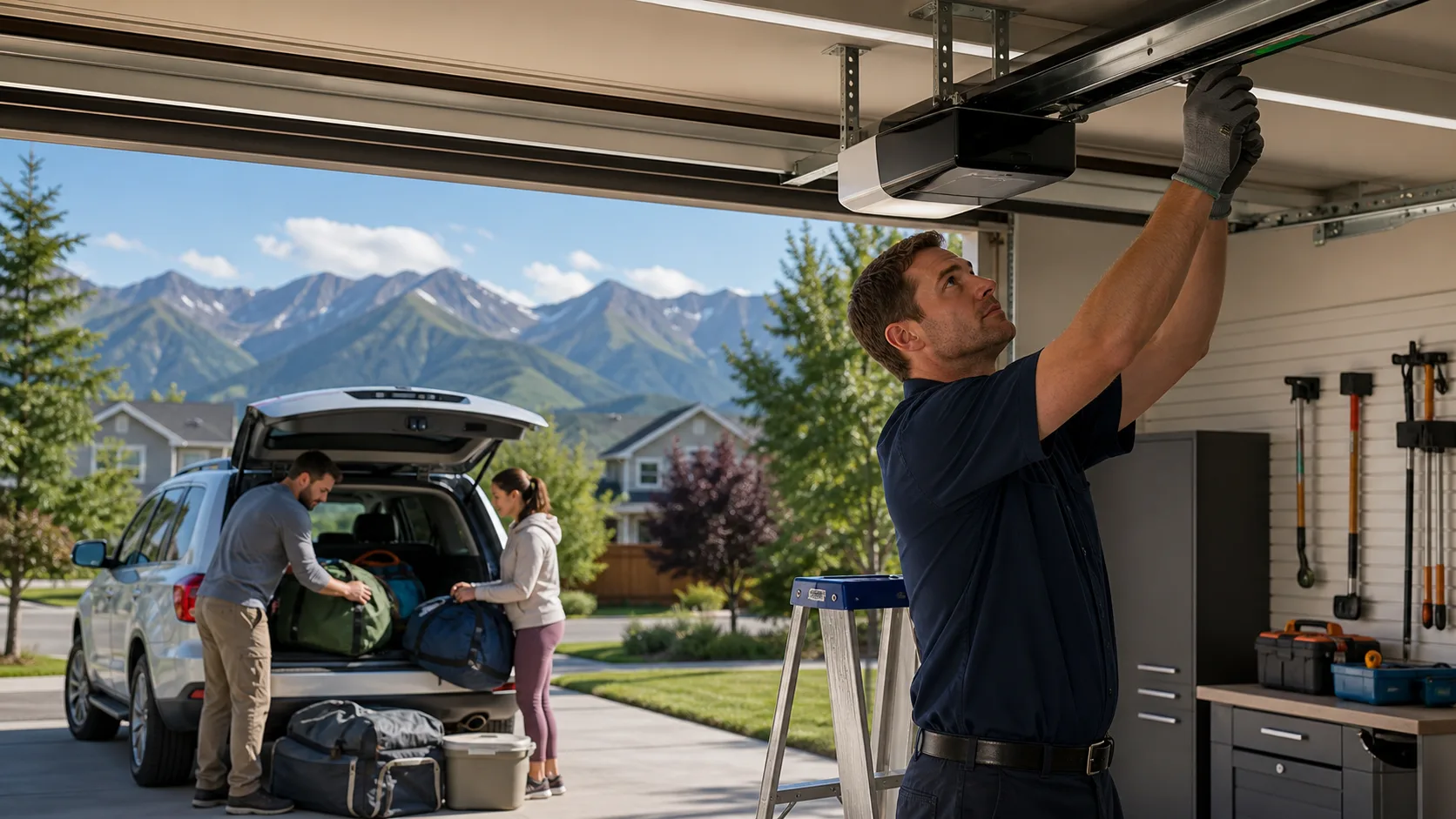
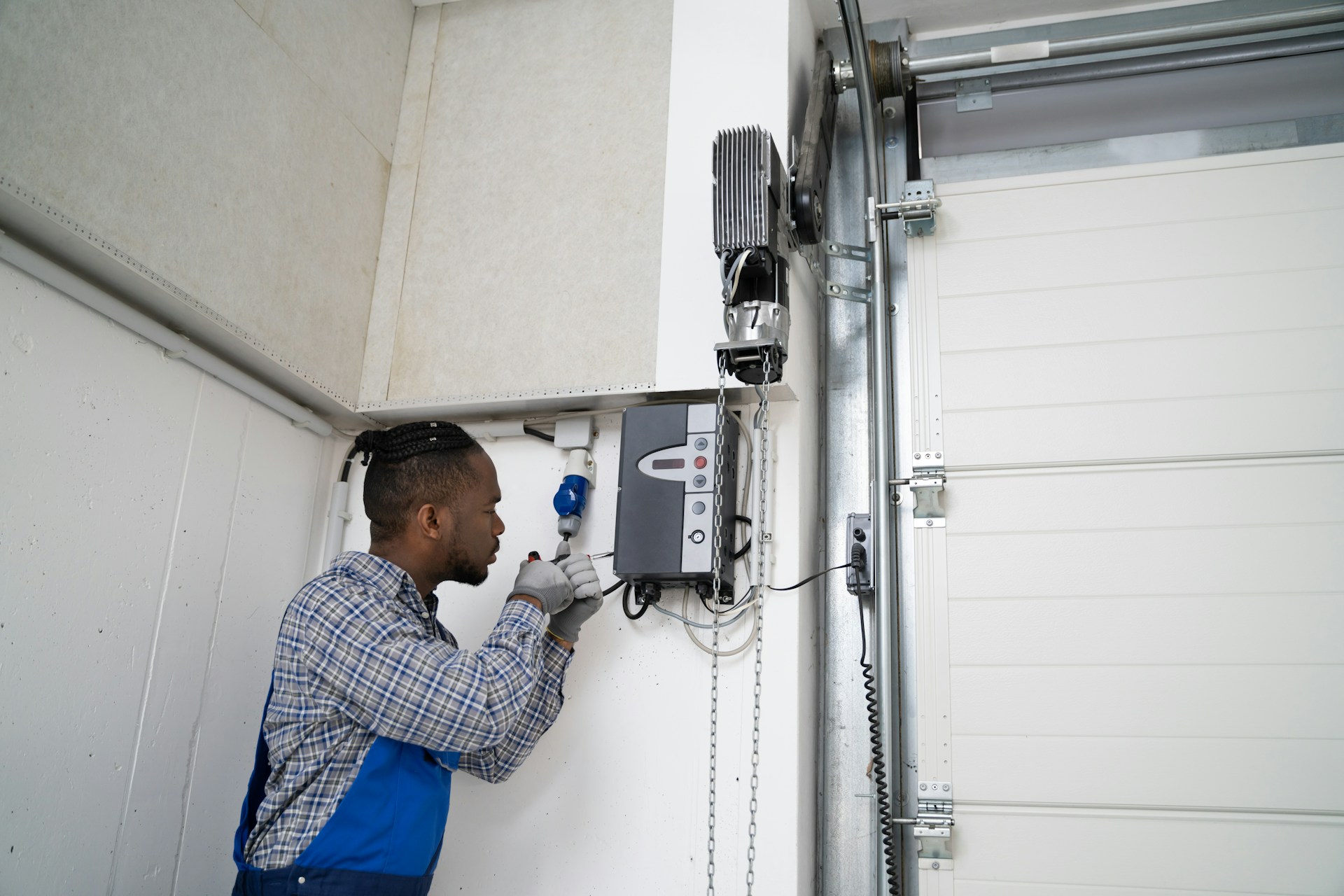
Internal gear replacement and motor work are not safe DIY jobs. Inside the opener are electrical parts, sharp edges, and tensioned components. Setting travel and force limits after a repair also needs training so the door stops and reverses correctly. A technician can inspect the opener and door, then explain whether a targeted repair or a full opener replacement makes more sense based on overall condition.
When DIY Stops and a Professional Should Step In
Knowing when to stop is just as important as knowing what to check. It is time for a professional when you see or feel any of the following:
- The door hangs crooked, is off its tracks, or feels extremely heavy when you try to lift it by hand.
- You see broken or stretched springs, loose or frayed lift cables, or bent tracks.
- You smell burning, see smoke, or notice the opener casing is hot to the touch.
- Sensor, remote, or keypad problems keep coming back after you have gone through careful DIY steps.
Late August is a good moment to get ahead of these problems. Fixing opener issues now helps you avoid being stuck inside or outside during the first big snowstorm. A professional visit can often include a safety inspection, lubrication, and opener tune-up in one trip, which helps your system work more smoothly and last longer in tough Alaskan conditions.
As a locally owned Alaskan garage door company, we understand how hard the climate is on doors and openers in Anchorage and the Matanuska-Susitna Valley. When DIY fixes do not solve the problem or things no longer feel safe, a trained technician can give you clear answers, safer operation, and more peace of mind before winter hits.
Restore Safe, Reliable Access To Your Garage Today
If your door is noisy, slow, or not opening at all, our team at Elite Doors is ready to help with fast, professional garage door opener repair in Anchorage. We will carefully inspect your system, explain what we find, and recommend the most practical solution for your home and budget. To schedule a convenient appointment or ask a question, simply contact us and we will respond promptly.