
Garage doors don’t usually get much attention until something goes wrong. As long as they open and close most of the time, it’s easy to ignore small issues or signs of wear. But when those small signs start adding up, an old overhead door can lead to bigger problems than you’d expect.
What looks fine from the outside might be hiding stress in the parts you can’t see. Springs weaken. Rollers don’t move the same. The whole system ends up working harder just to get through the day. That’s when overhead garage door replacement can make a big difference, especially before summer comes and schedules pick up.
In Alaska, spring tends to bring on a flurry of repair needs. That thaw and freeze cycle from late winter can leave doors in worse shape than they were just a few months earlier. Now is the time to pay attention before those problems multiply during the busy season.
What Happens When Garage Doors Get Too Old
All the parts inside a garage door system age over time. Some problems start quietly, while others show up loudly and all at once. Either way, there’s usually more going on behind the scenes than meets the eye.
Here’s what typically happens as overhead doors get older:
- Springs lose tension, which puts more strain on the motor and slows the door’s movement
- Rollers and cables wear out, making the door feel heavier or less steady
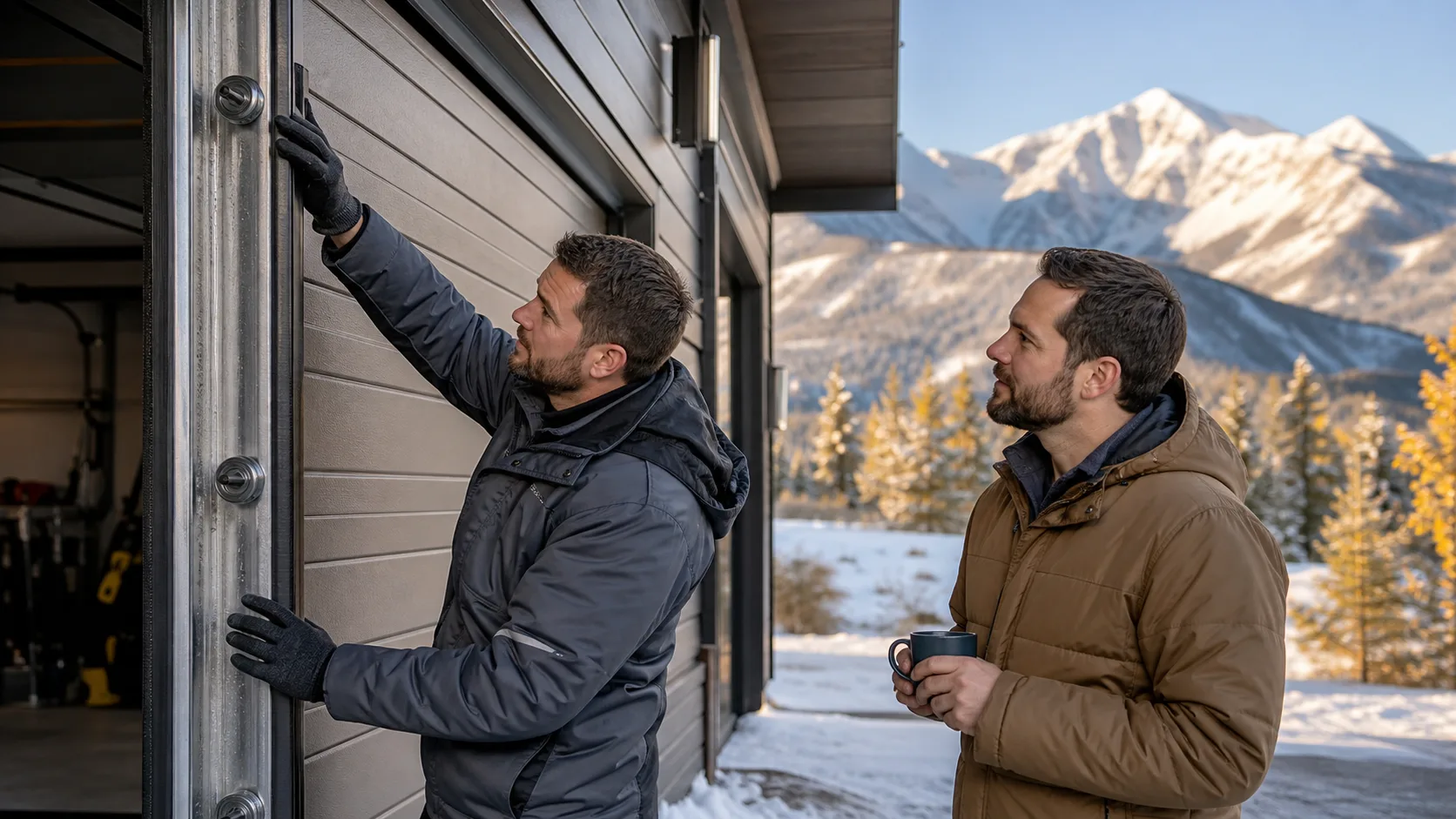
- Tracks bend or shift from repeated freeze and thaw cycles, leading to jerky or uneven motion
- Sensors stop aligning correctly, and the opener might lag or misfire
- As grease wears away and metal parts rub, the whole system starts to sound louder
When several of these issues stack up, the door becomes harder to trust. It may pause mid-movement, tilt to one side, or struggle in cold weather. These aren’t just signs of age. They’re warnings that the door’s reliability is starting to slip.
How Old Doors Can Disrupt Daily Operations
A garage door that doesn’t work right can throw off more than your morning routine. In both homes and commercial spaces, reliability matters. A delay by a few minutes at the wrong time can turn into a headache.
We have seen the problems that pop up when an older door starts to fail:
- Doors that open unevenly or get stuck halfway create slowdowns for delivery access
- Weak seals around the edges let in cold air, especially during chilly spring mornings
- Constant rattling, squeaking, or thudding draws attention from customers or clients passing by
- A slow or unpredictable opener means more strain on staff needing to come and go quickly
All it takes is one failure at a bad moment to create downtime or give the wrong impression. With colder weather lingering longer up north, insulation loss becomes a real issue by spring. An older door could be the reason your heating or cooling systems are working overtime.
Spring in Alaska Is the Best Time for Replacements
Once the deep freeze lifts and daylight hours stretch out, it becomes much easier to make upgrades like this. Spring in Alaska offers a window of better conditions before summer hits full speed.
Here’s why this time of year works better than rushing through repairs later:
- With milder temperatures, installers won’t be battling frozen parts or icy tools
- Longer daylight hours let the job move smoothly without losing light mid-afternoon
- It stays early enough in the season to beat the usual summer spike in demand
- Door damage from winter shifts does not have a chance to get worse in wet spring weather
It is easier for businesses to plan downtime in spring too. Before things ramp up for fishing, farming, or tourism, there is space to schedule work at a time that will not cause interruptions. By summer, calendars fill fast, and so does the need to keep the door working without surprises.
What to Expect From a Replacement Process
Letting go of an old door is not just about buying something new and hoping for the best. The whole structure has to work together again, and that takes a few focused steps.
We usually start by checking both the performance and the wear on every part. Some may look fine but struggle under pressure. Others might be just worn enough to predict failure later.
Here’s how the process typically moves forward:
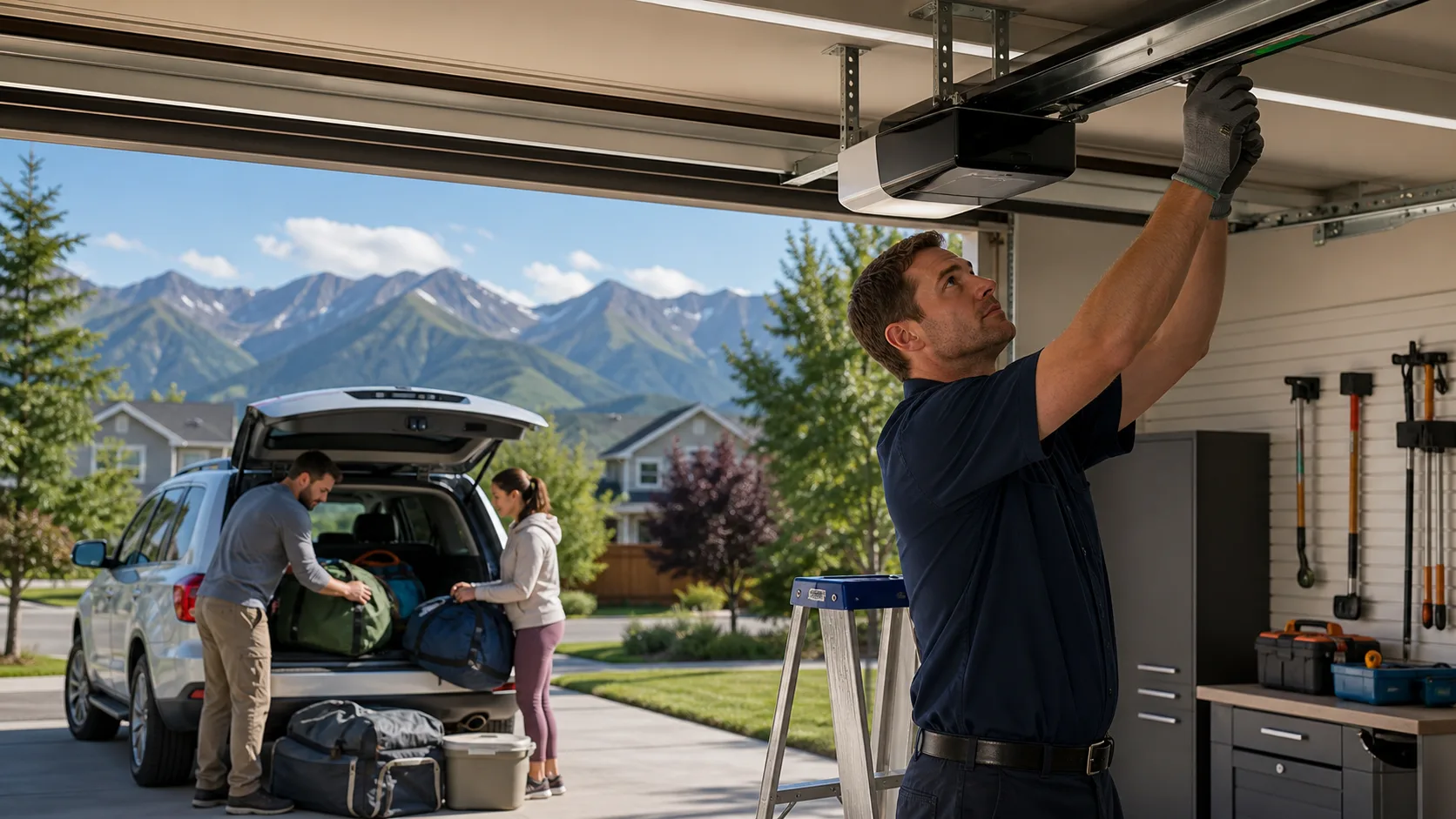
- A full inspection reviews the tracks, opener, springs, brackets, and safety systems
- Based on that, the right door is chosen, one suited to the space, daily activity, and weather exposure
- Install timing is coordinated around slow hours or off days so it doesn’t interfere with daily use
- The new system is carefully aligned and tested to handle the load without strain
This is not something rushed through on a lunch break. But when it is handled right, the finished result brings a better fit, more dependable movement, and fewer things to worry about.
Looking Ahead Means Fewer Surprises
Old doors do not always give much warning before they quit. One heavy thaw, one broken spring, and suddenly the whole thing stops working when you need it most. That kind of stress can be avoided.
By replacing aging parts early, there is less chance of facing urgent repairs at a time you cannot spare. Newer systems are smoother, stronger, and better suited to deal with Alaska’s weather curveballs.
The key is timing. Planning replacements in spring keeps things calm ahead of busy summer months. It is one less thing to juggle when your schedule fills up. A well-timed overhead garage door replacement resets everything without turning into a rush job.
At Elite Doors, we know how much smoother daily life can run when the right garage door is in place before peak season arrives. Warmer weather means it is a good time to take care of lingering issues from winter and get ahead of future problems. If you have started to notice your system slowing down or not sealing like it used to, now might be the right time to consider overhead garage door replacement. We are here to help you plan a switch that works with your schedule.