Get Clear Answers About Your Alaska Garage Door
Your garage door works hard in Alaska. It keeps out cold, wind, and snow, and it helps protect your home and everything in it. When it starts acting up, you need clear answers fast, not a long lecture you have to sort through.
We are a local team serving the Matanuska-Susitna Valley and Anchorage, and we work with garage doors in real Alaska weather every day. This question based guide is meant to help you quickly figure out what might be going on with your door, what type of residential garage door service you might need, and how to plan your next step.
Late summer is a smart time to pay attention. The days are getting shorter, fall storms are not far off, and early snow can surprise you. If your garage door struggles now, cold temperatures and ice will only make things worse. By the end of this guide, you will know how to spot trouble, understand common services, decide between repair and replacement, and feel ready for a safe, warm garage before winter hits hard.
How Do I Know My Garage Door Needs Service?
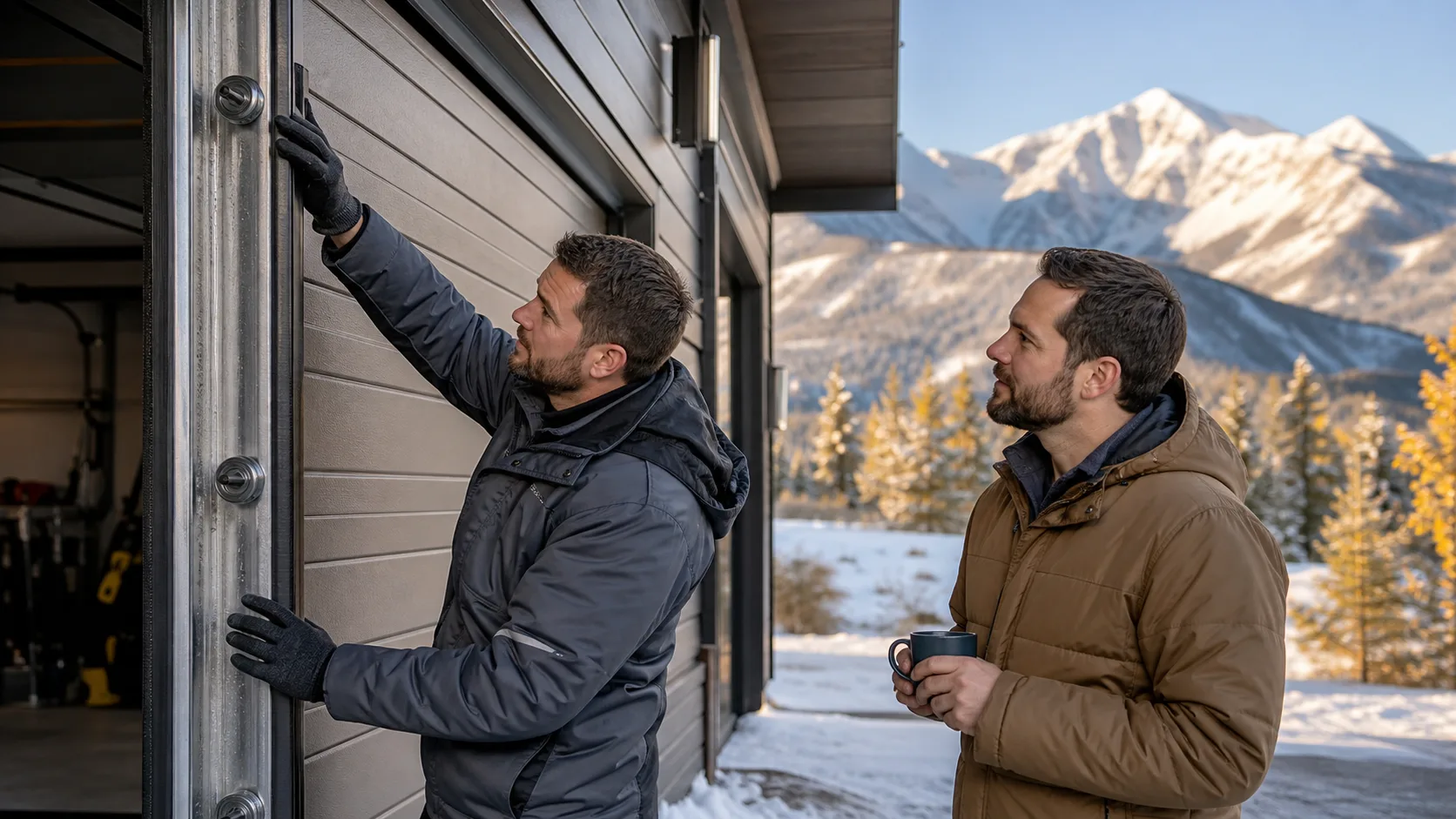
Your garage door usually gives you warnings before it fully quits. Some signs are annoying, and some are real safety risks. Start by watching and listening for common warning signs like loud grinding, squeaking, or banging when the door moves; the door opening or closing slower than usual; a door that looks crooked, sags on one side, or does not sit flat on the ground; visible rust, bending, or cracks on tracks, hinges, or springs; and more drafts in the garage that make the space colder than it used to be.
Some red flags point to safety issues and should be handled right away:
- The door reverses for no clear reason or stops halfway
- The door does not reverse when something is in its path
- Broken or loose cables hanging down
- Gaps in springs, or springs that look stretched, separated, or out of place
Alaska weather is tough on garage doors. Sudden cold snaps can make metal parts brittle and stiff, and electronics and sensors can act up in extreme cold or when they are hit by blowing snow and ice. Ice and packed snow along the bottom seal can keep the door from closing all the way, strong winds can knock doors off balance, and temperature swings can cause panels to warp or crack. All of this makes quick residential garage door service important so small issues do not turn into winter emergencies.
What Types of Residential Garage Door Service Do I Need?
Not every problem calls for a full replacement. There are different service levels, and knowing the basics can help you ask better questions.
Common types of residential garage door service include:
- Emergency repair when the door will not open or close, or when there is a safety hazard
- Scheduled maintenance to keep things running smoothly and catch early wear
- Part replacement, like springs, cables, rollers, hinges, and openers
- Full garage door or opener installation when it is time for an upgrade
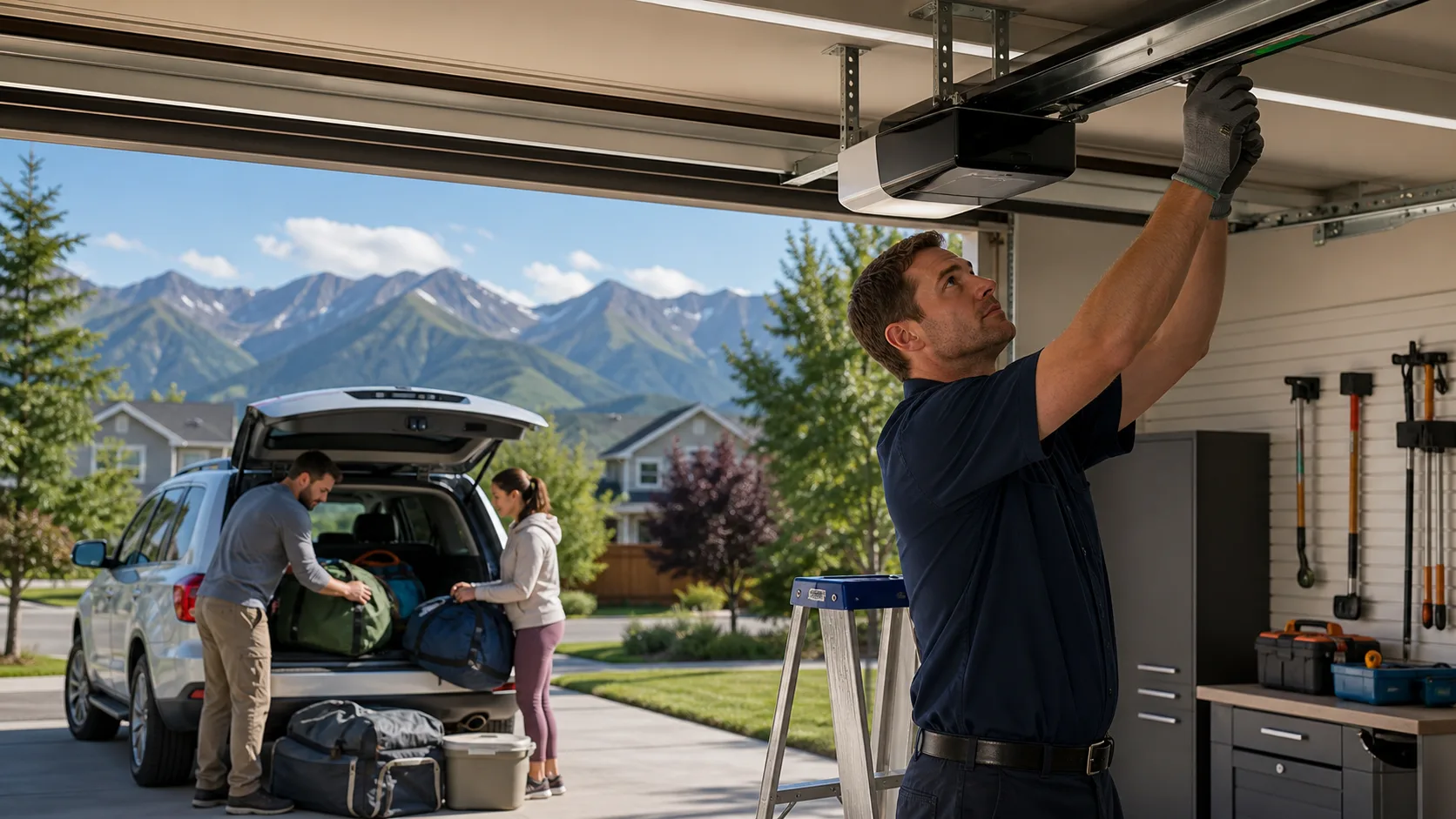
During a standard service visit, technicians typically look over the system, tighten and adjust what is needed, and confirm the door and opener are working safely. A standard service visit usually covers:
- Inspecting tracks, rollers, hinges, springs, and cables
- Tightening loose hardware
- Adjusting the door balance and spring tension
- Lubricating moving parts
- Checking opener settings and safety sensors
Some jobs go beyond tune-ups and small part swaps. Bigger projects might include:
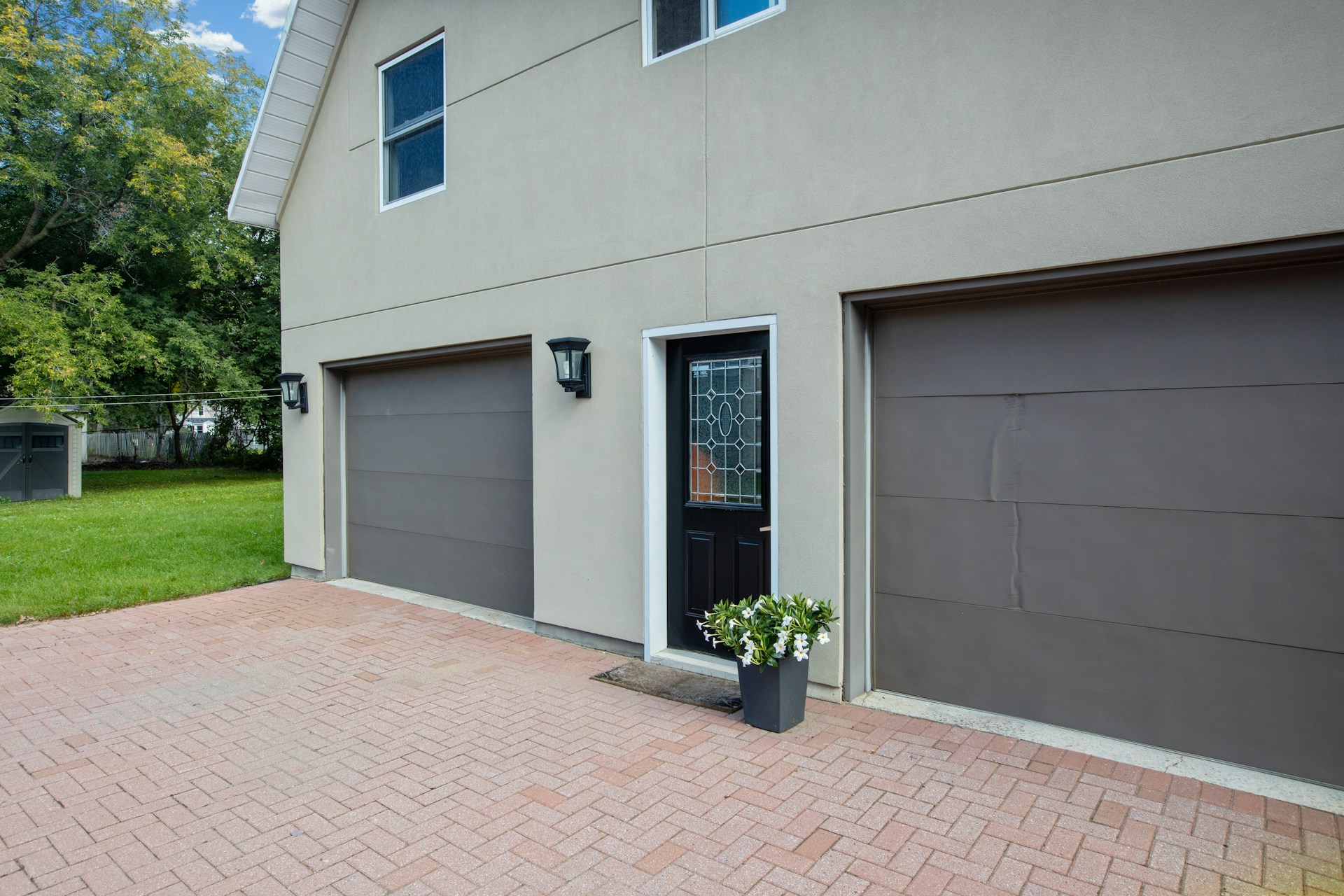
- Replacing cracked or dented panels
- Swapping out a failed opener for a new unit
- Upgrading to an insulated door for better comfort and energy use
In Alaska, many homeowners focus on insulation and weather protection because it directly affects comfort and winter performance. Heavier, insulated doors can help keep the garage less cold, which can make the rooms above or next to the garage more comfortable. Good weather seals help keep out blowing snow and wind, and you also want an opener that can handle cold temperatures and still work when you need it, even on frigid mornings.
Should I Repair or Replace My Garage Door?
This is one of the most common questions we hear, and it helps to slow down and take a clear look at the door’s age, condition, and repair history before deciding.
Key questions to consider:
- How old is the door and the opener?
- How often does it break down or need adjustments?
- Have you already put a lot of money into repairs over the last few years?
- Does the door still match your home’s look and value?
Repair usually makes sense when:
- The damage is cosmetic, like minor dents or peeling paint
- Only one part failed, like a broken spring or a worn-out roller
- The door is still in good shape overall and not very old
Replacement can be safer and smarter when:
- The door has major structural damage, like bent tracks, cracked panels, or heavy rust
- It keeps failing every winter, even after repairs
- It has outdated safety features or no working auto-reverse
- The door is not insulated or has very poor insulation
Alaska’s moisture and freeze-thaw cycles can be hard on older doors over time. Metal can rust, wood can warp or rot, and panels can separate. An older, non-insulated or lightly insulated door may also let in a lot of cold air. In many cases, upgrading to a modern insulated door can help cut down on drafts and make it easier to keep your home warm without putting extra load on your heating system.
What Should I Expect During a Service Visit?
Knowing what will happen on the day of service can make things feel less stressful and easier to plan around family schedules. A typical visit usually includes:
- Basic questions on the phone so we know your main concerns
- A clear arrival window
- An on-site inspection of the door, tracks, springs, opener, and safety features
- A simple explanation of what we find, in plain language
- Clear options so you can decide what to fix now and what can wait
- Final testing of the door and opener after work is done
How long the appointment takes depends on what the door needs. Timing can vary by job, but in general:
- Routine tune-ups often take less than half a day
- Many part replacements can be done in the same visit
- Opener installs and full door installations usually take longer and may require more planning time
You can help the visit go smoothly by keeping the area around the door clear of cars, storage bins, and tools. It is also safest for you and your family to stay back from the work area while we handle springs, cables, and other high-tension parts. Before the technician leaves, it is a good idea to ask for simple maintenance tips and to make sure you understand any parts and labor warranties.
How Often Should My Garage Door Be Serviced in Alaska?
Most homes do well with professional garage door maintenance about once a year. If your garage is a main entry to the house, or if you open and close the door many times a day, you may need service more often. Properties with a rental or commercial-style use usually wear out parts faster.
Alaska conditions often speed up wear and tear:
- Ice and snow can build up along the bottom seal and force the door off track
- Freeze-thaw cycles can loosen hardware and cause cracks
- Wind-driven gravel and debris can damage panels and weatherstripping
- Cold temperatures can stress springs and rollers
Between visits, you can still do a few simple checks to catch problems early. A simple homeowner checklist can help you spot early problems:
- Look over the door, tracks, and springs for obvious damage or rust
- Keep the area around the door clear of snow piles, ice, and clutter
- Lightly clean dirt and debris from weatherstripping and photo eyes
- Pay attention to new noises, jerky movement, or stops and starts
If you see broken parts, sagging cables, or anything that looks unsafe, it is best to stop using the door and get professional residential garage door service instead of trying risky DIY fixes. This keeps you and your family safer and helps your door last longer in Alaska’s tough climate.
Get Started With Your Project Today
If your garage door is noisy, unreliable, or outdated, we are ready to help you fix it the right way. Explore our residential garage door service options to find the best fit for your home, budget, and schedule. At Elite Doors, we focus on safe, precise work so your door operates smoothly in every season. Have questions or need a quick estimate? Just contact us and we will walk you through the next steps.