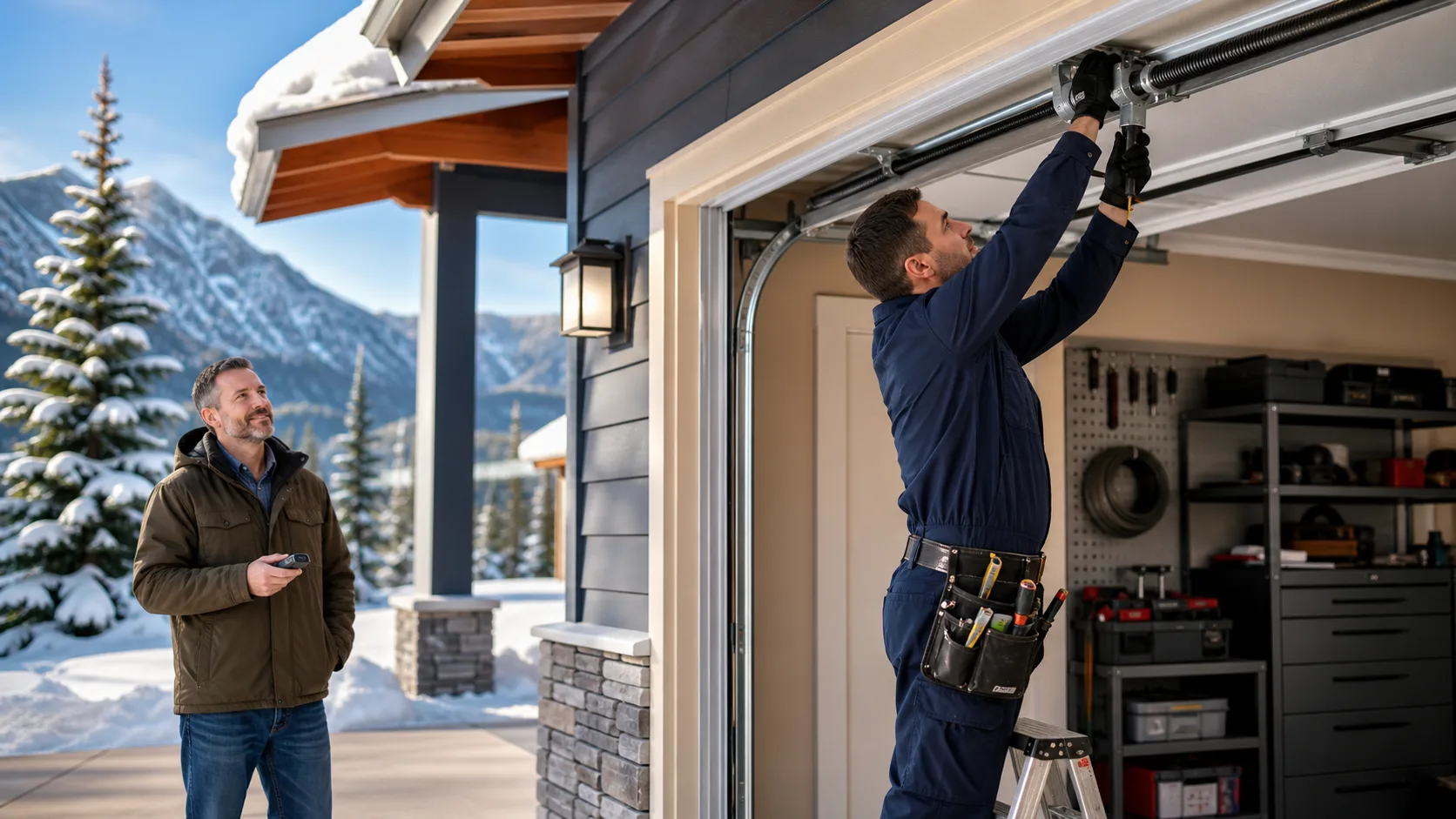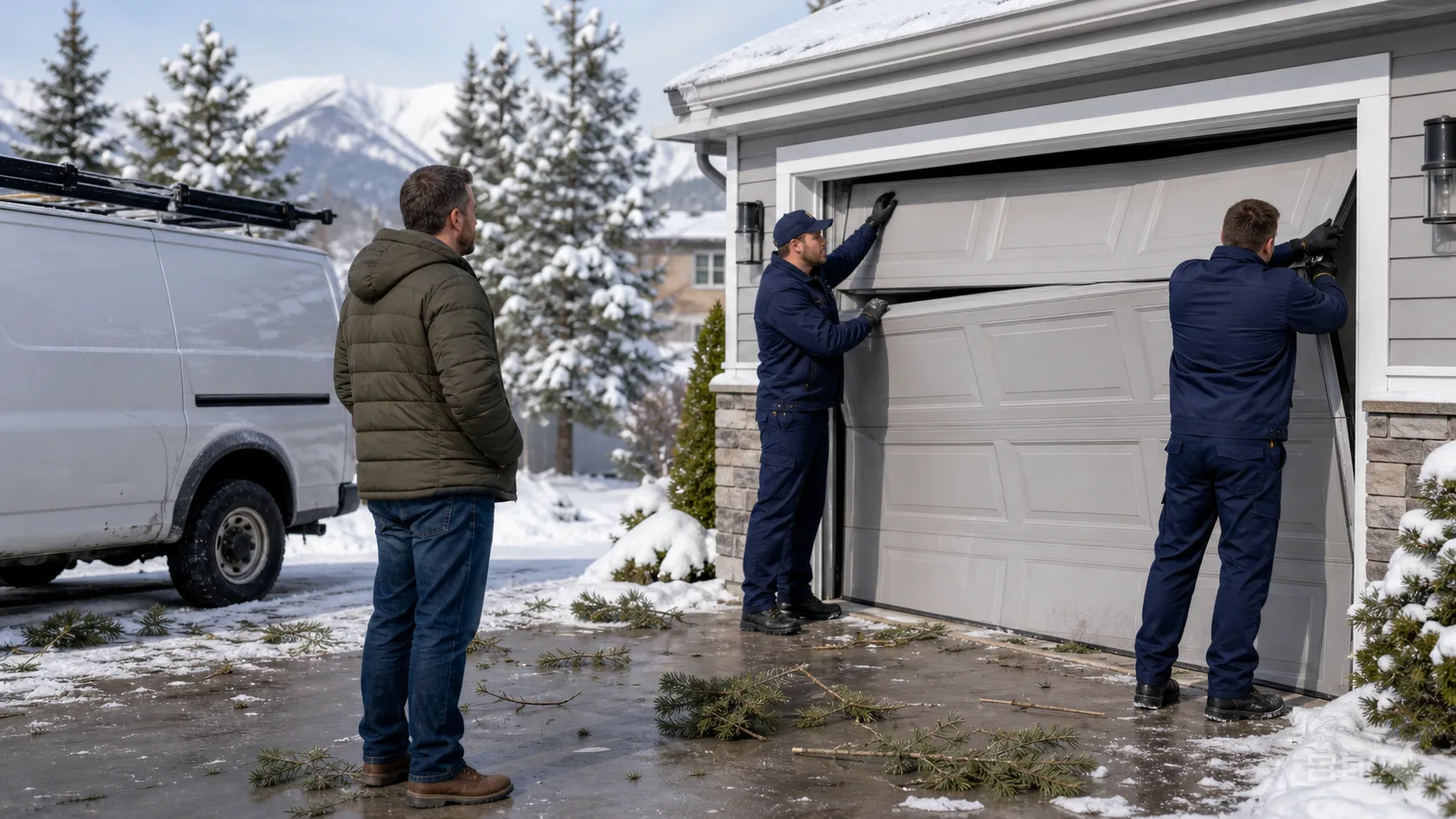

When Waiting on Garage Door Repairs Becomes Risky
A garage door that acts up once in a while is easy to ignore. It still opens most of the time, it still closes if you hit the remote twice, so it feels like a problem you can push off. In our Alaskan winters, that choice can turn into a safety risk or a car stuck in a frozen driveway when you need to leave.
Residential garage door service is not only about comfort; it is about safety for your family, your pets, and your vehicles. Some issues are small annoyances, but others are early warnings that something could fail without much notice. When the temperatures drop around the Matanuska-Susitna Valley and Anchorage, those small problems often get worse.
We work with these doors every day in Alaska’s harsh climate, so we see how quickly “it kind of works” can become “it will not move at all.” In this article, we will walk through the warning signs that should never wait, how cold weather adds extra stress, what simple checks you can do yourself, and when it is time to bring in a professional residential garage door service team before winter bears down.
Red Flags That Signal Immediate Safety Concerns
Some garage door problems are more than a nuisance; they are flat-out dangerous. If you notice any of these, it is time to stop using the door and treat it as an urgent issue.
Clear safety red flags include:
- The door slams shut instead of closing smoothly
- The door drops or falls unevenly while closing
- The door will not stay open on its own and wants to slide down
- The door feels like it is fighting you when operated by hand
These signs often point to a serious issue with the balance of the door. A broken or failing spring is a common cause. Springs carry a lot of tension, and when they weaken or snap, the full weight of the door is no longer supported. The door can come down fast and hard, which is a risk for anyone walking or driving under it.
You may also see:
- Frayed or loose cables hanging near the sides of the door
- A door that “jumps” or lurches when it starts moving
- Gaps in the springs or parts of the spring stretched out more than others
On top of that, pay close attention to your safety photo eyes and sensors. If the door:
- Closes on objects instead of reversing
- Only reverses sometimes
- Refuses to close unless you hold down the wall button
Then the safety system might not be working the way it should. That is not something to shrug off. A working sensor system is there to protect kids, pets, and anything that might be in the path of the door. When it is acting up, professional residential garage door service should not be delayed.
Noises and Movements You Should Never Ignore
Garage doors are never perfectly silent, but there is a big difference between normal sound and a “something is really wrong” sound. When a new noise shows up out of nowhere, it usually points to a part that is wearing out or failing.
Worrisome sounds include:
- Grinding or scraping, like metal on metal
- Loud popping or snapping noises
- Sharp screeching that makes you wince
- Heavy banging as the door moves or stops
These can be signs of bad rollers, worn opener gears, loose hardware, or springs that are straining more than they should. If the sound makes you flinch, it is worth getting checked soon.
Watch how the door moves, too. Signs you should not ignore:
- Jerky operation instead of a smooth glide
- Hesitation or pausing in the middle of opening or closing
- The whole door visibly shaking or rattling
- One side of the door higher than the other, so it runs crooked in the tracks
When you see these symptoms, it usually means parts are under extra stress. Cables, rollers, hinges, and the opener are working harder than they were designed to. Once cold Anchorage weather sets in, that added strain can push the system over the edge and leave you with a door that quits at the worst time.
Taking these sounds and movements seriously is a smart way to avoid a mid-winter breakdown that traps your car inside the garage or leaves your home wide open to the cold.
Alaska Weather and the Hidden Stress on Your Door
As fall moves toward winter in Alaska, the weather adds its own hidden stress to your garage door system. Even if the door worked fine all summer, the shift to freezing temperatures, snow, and ice changes how parts behave.
Cold conditions can:
- Stiffen springs so they are more likely to snap
- Thicken or harden grease and lubricants
- Cause metal tracks and hardware to contract and shift slightly
- Crack or flatten weatherstripping and bottom seals
When parts are already worn or slightly out of alignment, the cold often makes the problem show up fast. A door that struggled a little in mild weather can stop halfway in freezing weather, or an opener that was “just loud” can fail completely.
Having residential garage door service done before the deep freeze helps catch:
- Worn rollers and hinges that are about to fail
- Loose brackets and track issues that can lead to the door jumping off track
- Weak springs or damaged cables
- Torn or flattened seals that let in cold air and snow
This early attention can make the door more reliable when storms hit. It can also help your home hold heat better by sealing out drafts along the garage door.
DIY Checks Versus Calling a Professional Right Away
There are a few simple checks most homeowners can safely do. These do not replace real service, but they can help you spot small problems early and rule out easy fixes.
Safe, basic checks include:
- Looking for obvious debris in the tracks and clearing it gently
- Wiping dust, dirt, or spider webs from the photo eyes with a soft cloth
- Watching and listening to the door through a full open and close cycle
- Checking visually for loose bolts or brackets, without trying to tighten major parts
What you should not do on your own is just as important. Some parts of a garage door system are under a lot of tension. Trying to fix them without training and the right tools can lead to serious injury.
Skip DIY on:
- Spring replacement or adjustment
- Cable repairs or replacements
- Major track adjustments, such as trying to straighten bent track
- Motor or opener gear work inside the opener housing
A professional residential garage door service technician can safely handle these jobs. They can also diagnose whether an issue is limited to one part or tied to other worn components. When that work is done with the right parts for local conditions, it helps your door run more smoothly and last longer.
Schedule Smart Before Winter Shuts Your Door Down
As the first deep cold snap approaches, garage doors that have been struggling often choose that moment to give out. Emergency calls go up, and no one enjoys dealing with a stuck door in a dark, icy driveway.
It helps to watch for “act now” triggers, such as:
- The door will not fully open or close, or it reverses without a clear reason
- You see visible damage to springs, cables, or hinges
- Noises are getting louder or changing from week to week
- Safety sensors seem unreliable or force you to work around them
- The door feels heavier than usual when you lift it by hand with the opener disconnected
When you notice any of these signs, it is better to handle them before winter locks in. A careful inspection and the right repairs can mean a safer, quieter, and more reliable door that handles Alaska’s cold months with less trouble.
Get Started With Your Project Today
If your garage door is noisy, unreliable, or simply outdated, our team at Elite Doors is ready to help you upgrade with professional care. Explore our residential garage door service to find the right solution for your home, from new installations to reliable repairs. We focus on safety, durability, and curb appeal so your garage door works smoothly and looks great year-round. Have questions or need a quote fast? Just contact us and we will walk you through your options.