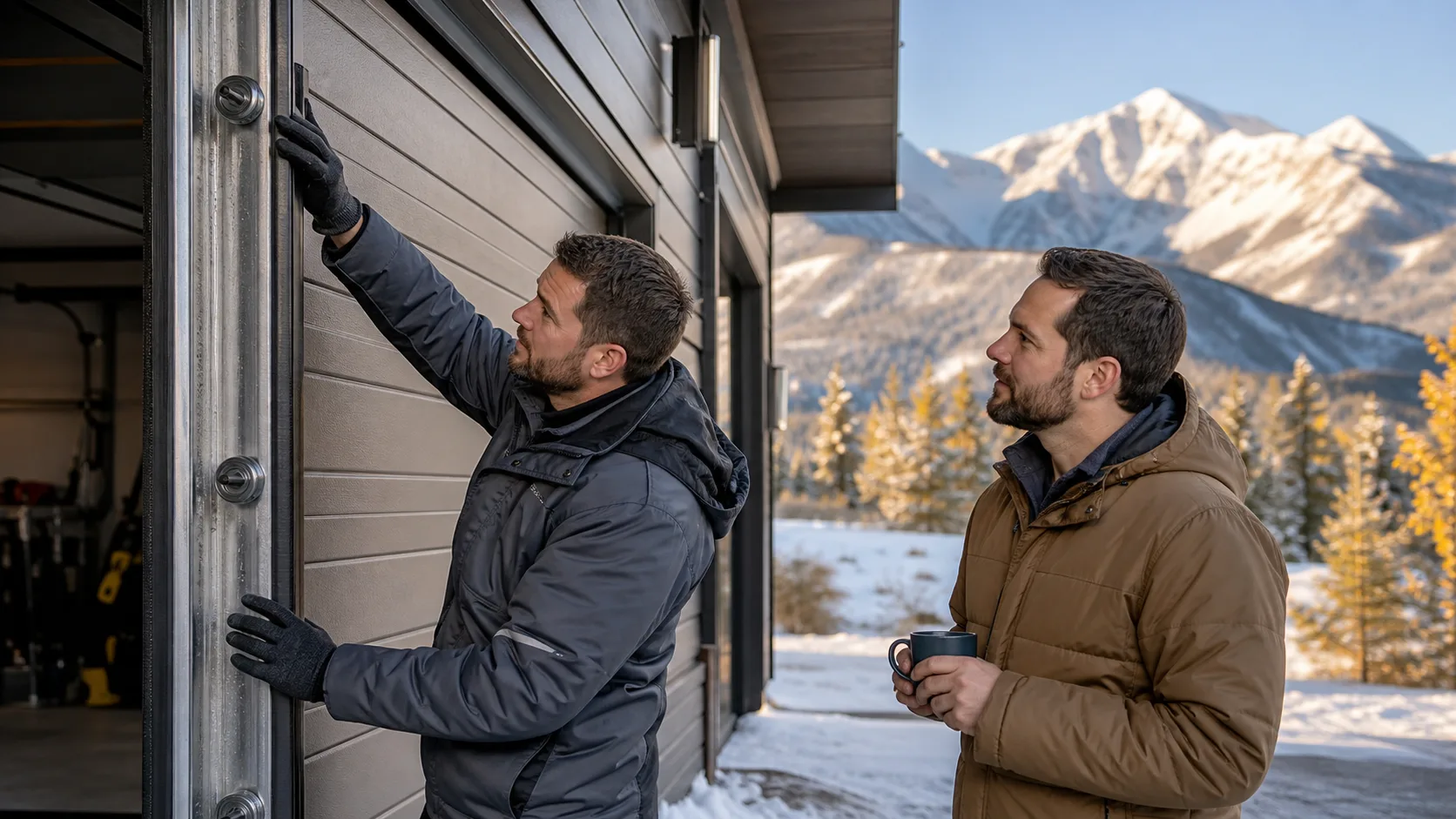

When the snow starts to melt and the ground gets soft in Anchorage, mud season kicks in fast. Roads get messy, driveways turn into big puddles, and garage doors often get stuck at the worst time.
For many people, this is when little problems with the garage door start to show up. Maybe it doesn’t close all the way, or it jerks halfway down. If you need garage door maintenance in Anchorage, spring is usually the time you begin to notice it. Those changes in temperature, along with all that extra moisture and muck, can affect how well your door moves. As a family-owned company serving homeowners throughout the Matanuska-Susitna Valley, including Anchorage, Wasilla, Palmer, and Big Lake, we see how quickly mud season can wear on springs, tracks, and seals.
It might seem like a small issue at first, but during this season, keeping your garage door moving smoothly takes a bit of extra attention.
Why Mud Season Is Tough on Garage Doors
Mud season hits hardest when cold mornings and warm afternoons start cycling fast. That mix of freeze and thaw makes the ground unpredictable and messy. It doesn’t take long before everything looks wet, gritty, and a little harder to manage.
Here’s the thing about garage doors during this time:
- Melting snow often carries dirt and leftover road salt straight toward your garage. That mix ends up along the doors’ tracks and around the base.
- Salt and grit can interfere with the sensors that help your door know when to stop or reverse.
- When temps drop again at night, all that wet stuff can freeze. This makes your door more likely to stick to the ground or stutter as it moves.
The effects might not hit all at once, but every bit of buildup can cause your door to struggle by the time summer rolls around.
Hidden Trouble: What You Might Not See
Not all garage door problems are right in front of you. Some stuff happens behind the scenes, where mud and moisture do more harm than you’d expect.
Here’s what we often find after a tough mud season:
- Dirty water splashes up into the rollers or hinges, and that can speed up wear over time.
- Springs and cables inside the unit may corrode or weaken without a clear sign.
- Movement sensors (the little ones by the floor) can get foggy or dirty, and they don’t catch movement like they’re supposed to.
Things don’t always break all at once. What starts as a tiny pause or groan might turn into a bigger stop. That’s why it’s worth listening to your door and watching for signs like jerky movement, slow starts, or anything out of the ordinary.
How a Professional Eye Helps Early On
During mud season, small issues hide in plain sight. A few crumbs of dirt here or there don’t seem like much until the door starts dragging or refusing to shut fully. That’s why having someone who knows what to look for can make a big difference.
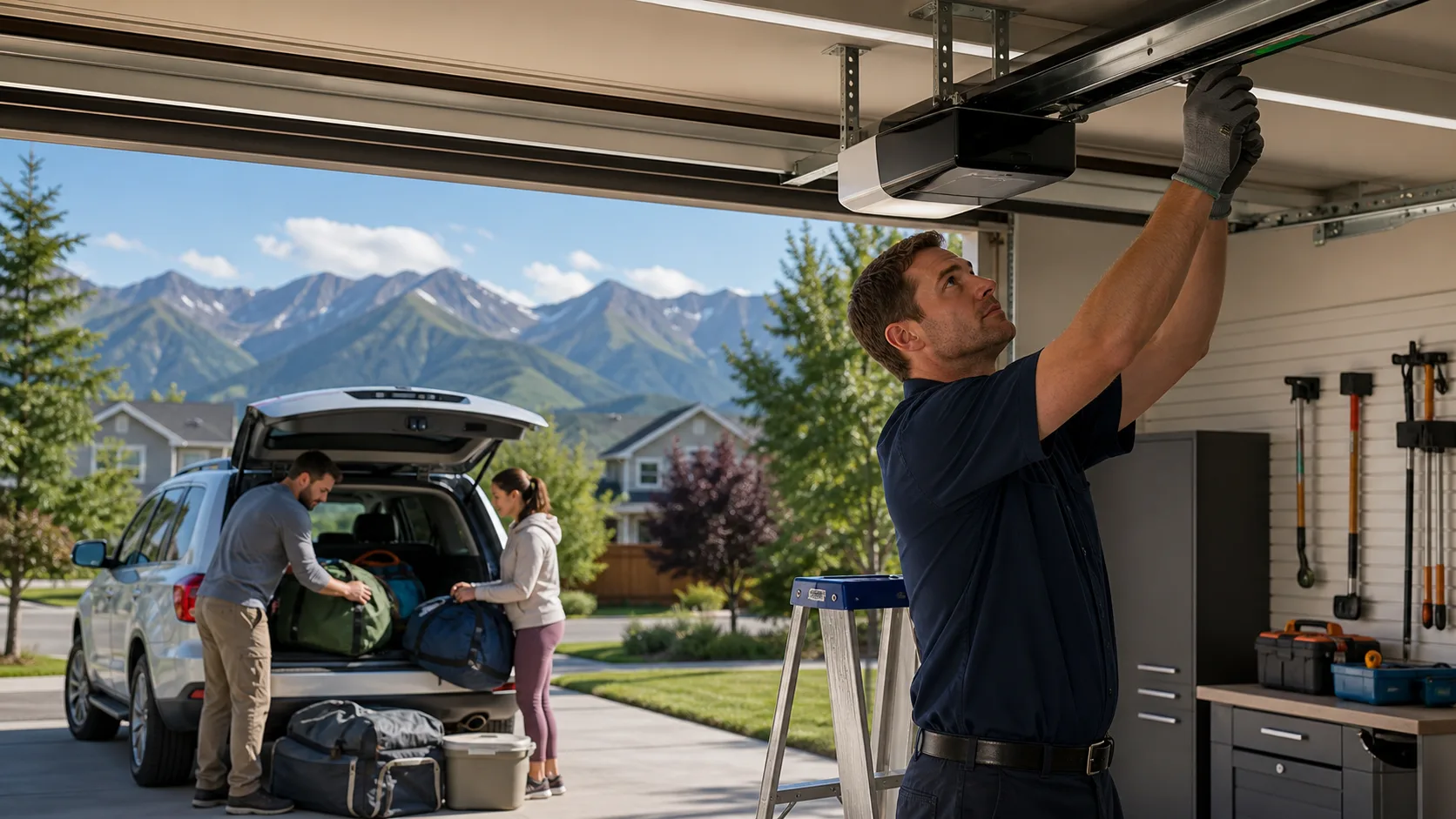
When we show up for service calls around this time, here’s what we tend to check first:
- Tracks: mud buildup or small dents can stop smooth rolling.
- Rollers: these wear faster with dirt and moisture creeping in.
- Bottom seals: these often crack or tear after a long Alaskan winter.
- Sensors and opener system: moisture messes with wiring and connections.
When we do garage door maintenance in Anchorage, we think about how the wet ground behaves in neighborhoods here in spring. Some homes near sandy areas get more grit, while others on gentle slopes deal with pooled water. That context makes it easier to treat the right problems fast. Our maintenance visits often include spring tune-ups, lubrication, and safety checks so doors are ready for the next round of weather changes.
What Happens If You Wait Too Long
It’s tempting to put off repairs when a door is mostly working. But during mud season, problems build faster than you’d expect.
Let’s talk about what can happen if small issues don’t get addressed in time:
- Water starts to rust the bottom panels and hinges, especially after repeated freezing and thawing.
- Wiring or opener units can short out when moisture sneaks in through cracks.
- A door that sticks might reverse suddenly or seal unevenly, risking safety and slowing routines.
Summer might feel far away right now, but spring is when you set yourself up for smoother days ahead. Catching these problems while they’re small helps skip the bigger headaches later.
Strong and Smooth: Keep Your Door Ready All Season
Think of spring as a reset button for your garage door. When it moves the right way despite the mess outside, everything about home life feels a little easier.
Keeping your door in good shape through this season means fewer surprises later. Here’s why a good once-over in spring helps:
- It clears out the junk that winter left behind, especially around the tracks and seals.
- It gives you a chance to spot worn parts now, instead of waiting for them to break in July.
- It keeps your door steady day after day, even as boots track in grit or puddles slide under the frame.
A little attention now saves time and stress later on. With Alaska’s weather shifting fast each year, it’s smart to plan around the mess, not react to it.
After another long Alaska winter, your garage door might show signs of wear. Mud season in Anchorage can be rough on door tracks, seals, and sensors because of extra dirt and slush. We are here to help identify problem spots before they escalate, so you can have peace of mind. To get started with the right kind of help, take a look at our service options for garage door maintenance in Anchorage. Give Elite Doors a call and we’ll make sure your door is ready for whatever spring sends your way.