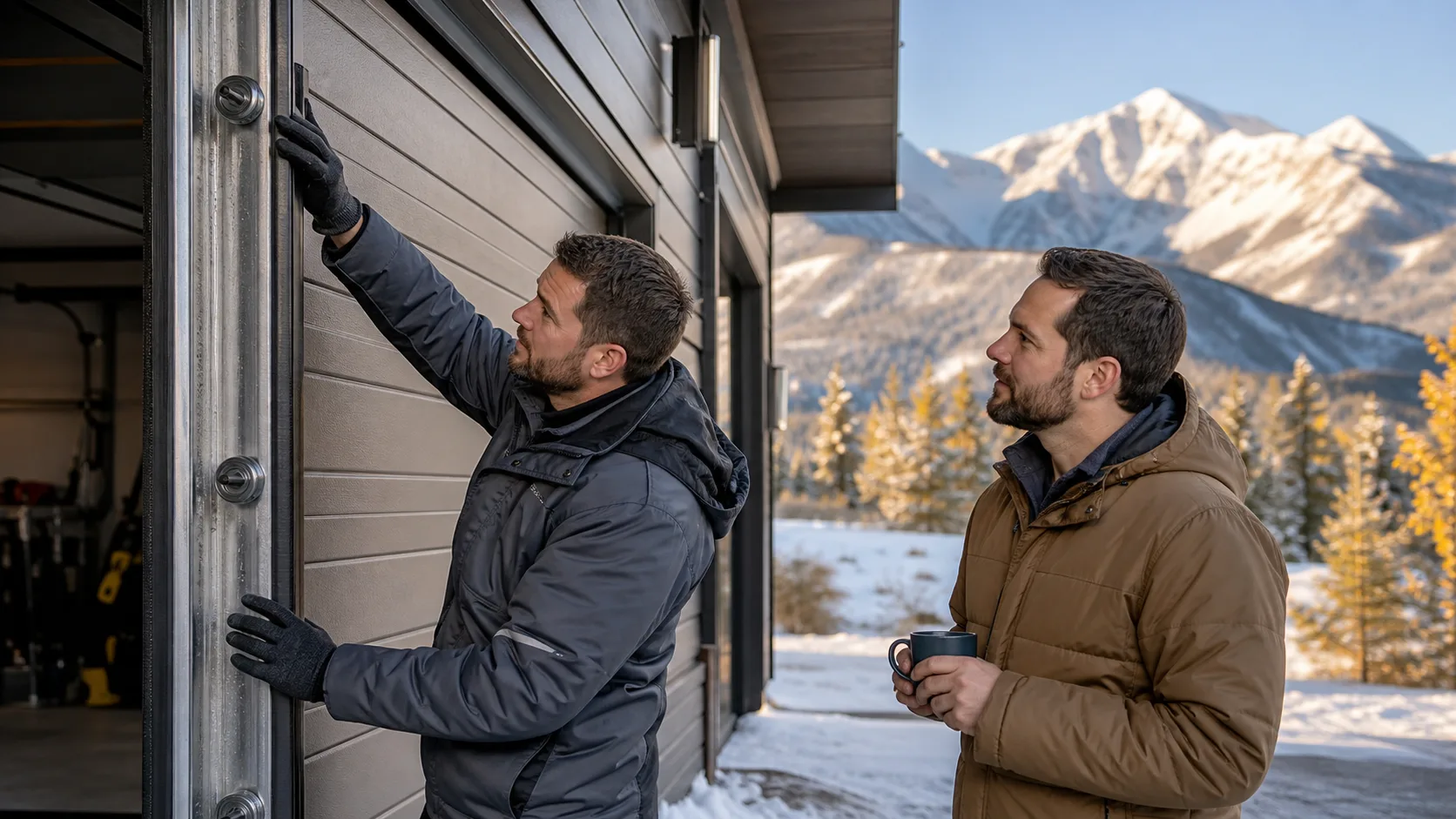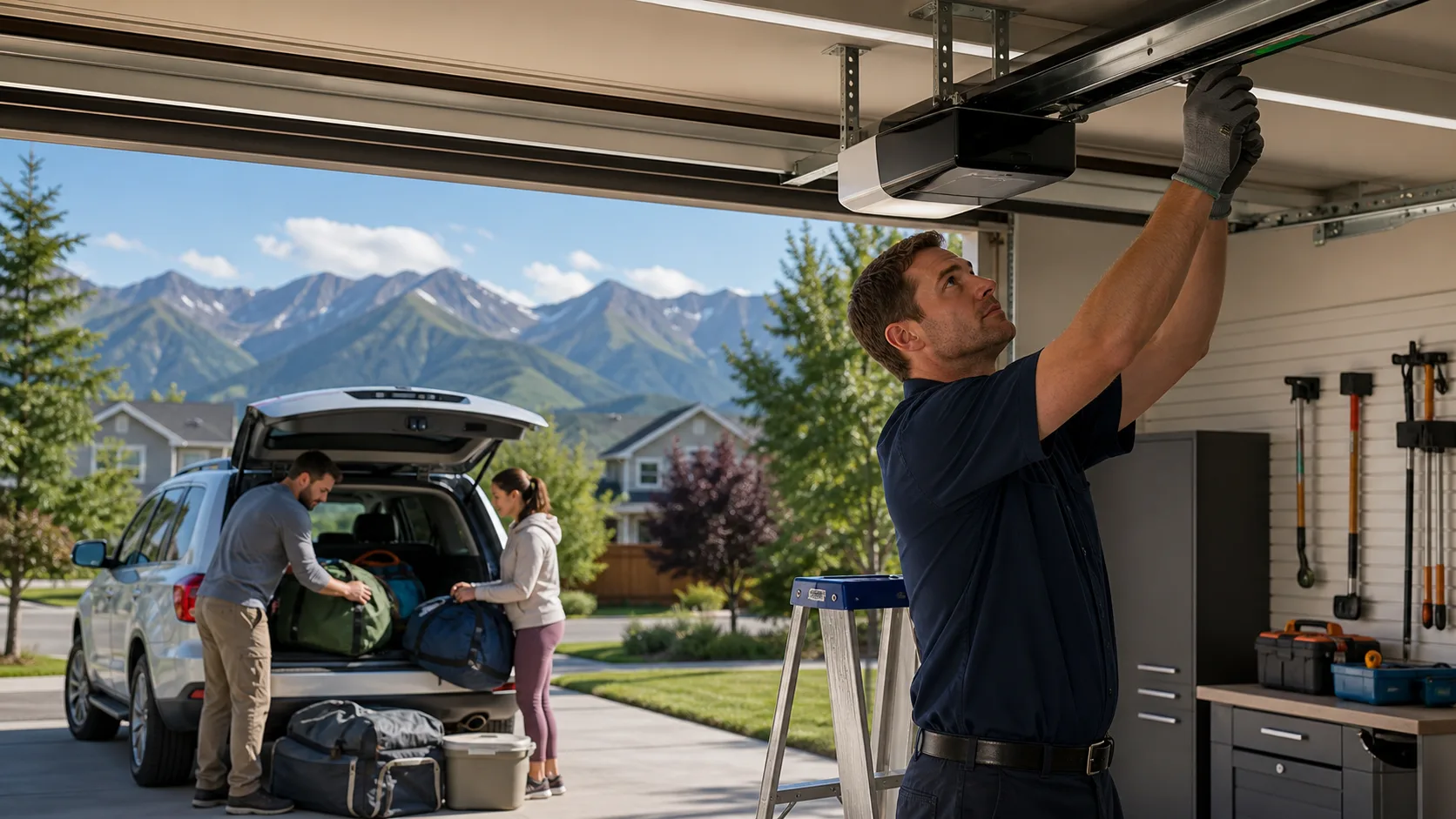

Winter in Anchorage brings plenty of snow, ice, and freezing temperatures. It’s no surprise that things around the house or garage get stuck, slow, or just stop working when they’re exposed to all that cold.
If your garage door has ever refused to open on a freezing morning, you’re not alone. It’s a pretty common issue that leads to many calls for garage door repair in Anchorage during the coldest months. When your door freezes shut, it’s more than just a hassle; getting out to work or bringing in groceries becomes a full-on challenge.
As a local, family-owned company serving Anchorage homeowners, we work with garage doors every day in these same subzero conditions.
Let’s look at why this happens, how to spot the signs early, and what you can do to avoid the worst of these winter problems.
What Freezing Temps Actually Do to Your Garage Door
When the weather drops well below freezing, garage door parts start reacting to the cold. Depending on how your door is sealed, positioned, and maintained, it can freeze in place or become too stiff to move.
Here’s what usually happens:
- Ice builds up where the door meets the ground when melted snow refreezes overnight
- The rubber seals around the edges can freeze to the frame or to the concrete
- Metal parts like springs, hinges, and tracks can tighten or jam as they contract from the cold
These changes might seem small at first, but they can quickly turn into major blockages. Cold weather can throw off the entire system, especially if it hasn’t been checked recently.
Common Signs Your Garage Door Is About to Freeze Shut
The trouble usually doesn’t start all at once. Doors give off small clues when cold weather is starting to interfere.
Watch for signs like these:
- Your garage door starts moving slower or hesitates when it goes up or down
- The opener makes a long, grinding, or creaking sound
- You see layers of frost or ice on the bottom seal or other edges
- The motor begins to strain or stall halfway through the open or close cycle
If you notice any of these things, your door might be starting to freeze up. Handling it early can keep you from getting stuck during a bitter morning in January.
Why Trying to Force a Frozen Door Can Make Things Worse
It’s tempting to give your garage door a good shove when it won’t budge in the cold, but trying to force it can make everything worse.
Here’s why that’s a bad idea:
- Pushing too hard can dent the panels or pull them out of alignment
- You might bend or knock the tracks loose, which throws off future movement
- The motor or cables could wear out or snap under sudden stress
Instead of trying to pull or push it back into working order, it’s better to stop and get the problem looked at. Letting these issues grow over time can lead to bigger repair work down the road.
How Professional Service Helps Keep Your Garage Door Moving
Winter can cause small problems to grow fast, which is why a trained professional is the safer and smarter option when cold weather locks your garage door in place.
Here’s what inspections and seasonal tune-ups usually cover:
- Checking for cracked seals, worn-out springs, or alignment issues
- Making sure tracks are clear and adjusted correctly
- Lubricating moving parts so they don’t stick or freeze
A typical winter tune-up in Anchorage includes inspecting the springs, cables, and rollers, lubricating moving parts, and making small adjustments so the door continues to open and close smoothly in the cold.
If your garage door keeps getting stuck, a trusted garage door repair in Anchorage can help figure out what’s going wrong and fix it fast. Sometimes it’s the opener, sometimes the seals, and sometimes the shape of the ground under the door. Either way, fixing the source helps prevent repeated freezing later on.
Preventive Tips That Go Beyond DIY Fixes
There’s a lot you can do to help your garage door stand up to the cold, but professional help can take those fixes a step further. Home remedies can help for a bit, but expert setups tend to last all season long.
Here are a few things pros often look at:
- Installing better seals to block drafts and snow
- Adjusting the garage door angle slightly so water runs away from the base
- Adding insulation inside the door panels to cut back on cold air and moisture buildup
If your current door struggles with heat loss, we can recommend insulated residential garage doors made from durable materials like steel or aluminum to help keep your Anchorage garage warmer through the season.
Sometimes it’s these small adjustments that make the biggest difference during the deep cold of January and February. A few smart changes can help prevent freezing before it starts.
Don’t Let the Cold Catch You Off Guard
When winter takes hold in Anchorage, your garage door gets exposed to some of the toughest weather out there. Between the wind, snow, and deep cold, it’s no surprise if something sticks or freezes. These problems always seem to show up right when you need to get somewhere.
Keeping an eye on early signs, like slowness, noise, or ice buildup around the seal, can help you act before there’s a real problem. And if your door does freeze shut, calling in someone who knows what to look for will make the fix quicker and safer.
A little care now can go a long way during the coldest weeks. Staying ahead of problems can help keep your garage door working when everything else is freezing up.
Noticing that your door isn’t budging or freezing up after the first frost can signal that something deeper might be going on. We help homeowners stay ahead of winter problems by checking for early signs of wear and damage before things worsen. With safe entry and exit during an Alaskan winter being important, catching issues early matters. Should you see signs of trouble and think you may need garage door repair in Anchorage, we at Elite Doors are ready to help. Contact us today to schedule your checkup before the next cold snap hits.