
When cold weather starts rolling into Alaska, it does not take long before equipment and structures around the home feel the impact. The garage door is often the first part to show stress from freezing temps, icy winds, and snow piling up along the sides. Even with a sturdy build, it is easy to end up with a garage that feels colder than it should and comes with a list of problems that could have been avoided. Stepping up your garage door winterization in Alaska before the deep freeze settles in helps everything work smoother, last longer, and makes your garage a bit more welcoming during those icy months.
The steps below work well around Anchorage, Wasilla, and Palmer, where the weather is unpredictable and sometimes harsh. Tackling these tasks in early fall often sets you up for a season with fewer headaches. When the snow hits hard, your garage is ready.
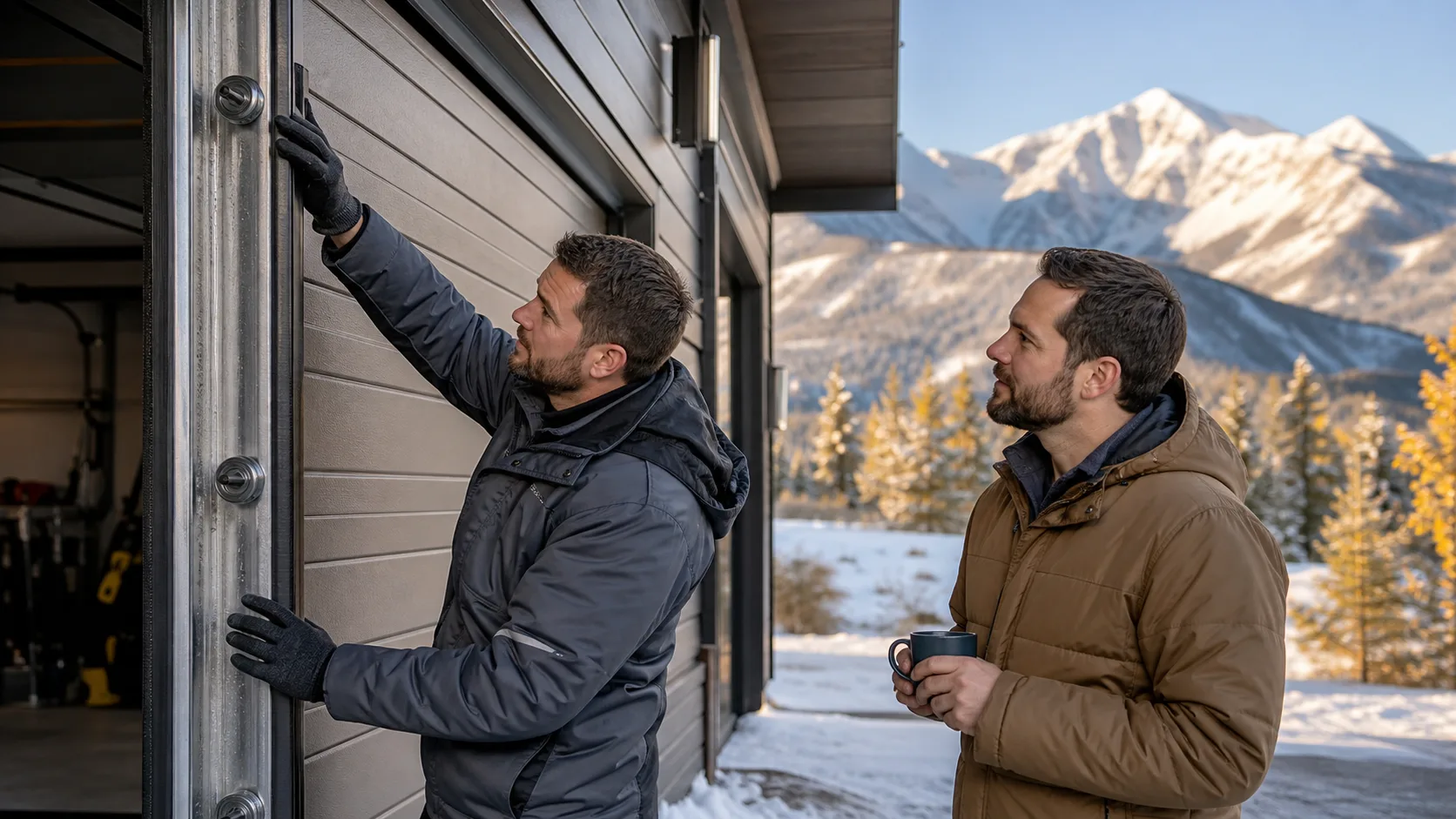
Inspect the Garage Door and All Moving Parts
Take time to look over each part of your garage door at the start of the season. Small issues are easy to miss, especially if you hurry. Look for these signs:
- Cracks or bubbles in the door panels and around the trim
- Spots that feel soft or show signs of wear, especially at corners and base
- Rollers, hinges, and tracks that have rust, chips, or do not move as easily as they once did
- Cables and springs that have any fraying, tightness, or wear at the ends
Some metal parts can seize up or break quickly when the cold arrives, even if they looked fine before. Addressing these now, before snow and ice sit on the door daily, keeps surprises to a minimum.
Professional garage door tune-ups often catch problems early. In Alaska, routine inspections are recommended as part of annual maintenance to catch weather-related wear at the start of every season.
Replace or Install Weather Seals
Garage weather seals in Alaska see a lot of action. Shifting temps, blowing snow, and wet slush take a toll on rubber and foam strips that protect your garage from outside air. Focus on these spots:
- The thick, flexible seal at the bottom edge of the door must reach the concrete fully with no gaps
- Side and top weatherstripping must press flat against the door and frame. If you see daylight or feel a chill, cold air is coming in
- Any torn, cracked, or missing pieces should be replaced
- Do not ignore smaller patches of damage—tiny openings can let in plenty of cold
Elite Doors offers professional installation of weather seals and weatherstripping suited for Alaska’s extreme conditions. Having these updated by garage specialists keeps the cold out and helps prevent water from pooling and freezing at the base.
Lubricate Moving Parts for Cold Weather
Metal stiffens up as temperatures drop. Lubrication is a quick step that keeps rollers, hinges, tracks, and springs moving smoothly, even in the coldest months. Use a product meant for freezing weather. Thick grease may look like a good fix, but it can get gummy and collect road salt or debris that finds its way onto your door.
Here’s what to do:
- Apply a light coat of low-temp lubricant to metal rollers, hinges, tracks, and springs
- Do not use heavy grease or basic oils, as these can gum up over winter
- After applying, open and shut the door a handful of times to move the lubricant through the parts
- Wipe away any extra lubricant to avoid build-up
Alaska winters also mean lots of dirt and road chemicals. Professional maintenance includes cleaning the tracks to keep everything free-moving through the months when salt and grit are everywhere.
Check the Door’s Insulation and Upgrade If Needed
A garage door’s built-in insulation does a lot, but it is not the only place to check. Cold can seep in at door panels, walls, joints, or around windows and outlets. A quick test with your hand—if a panel or section feels much colder than the rest, it may not be insulated well.
Steps to help keep your garage warmer:
- Look over every panel for cold spots or drafts
- Inspect around outlets, windows, and joints for gaps you can fill with foam or sealant
- If your panels are older, thin, or have little insulation, it might be time to upgrade to an insulated door
- Consider replacing worn-out panels with new, insulated ones made for Alaska’s climate
Elite Doors installs insulated garage doors engineered for the severe cold found around Anchorage, Wasilla, and Palmer. Better insulation does not just keep the space warmer—it protects everything stored inside and helps the door last longer.
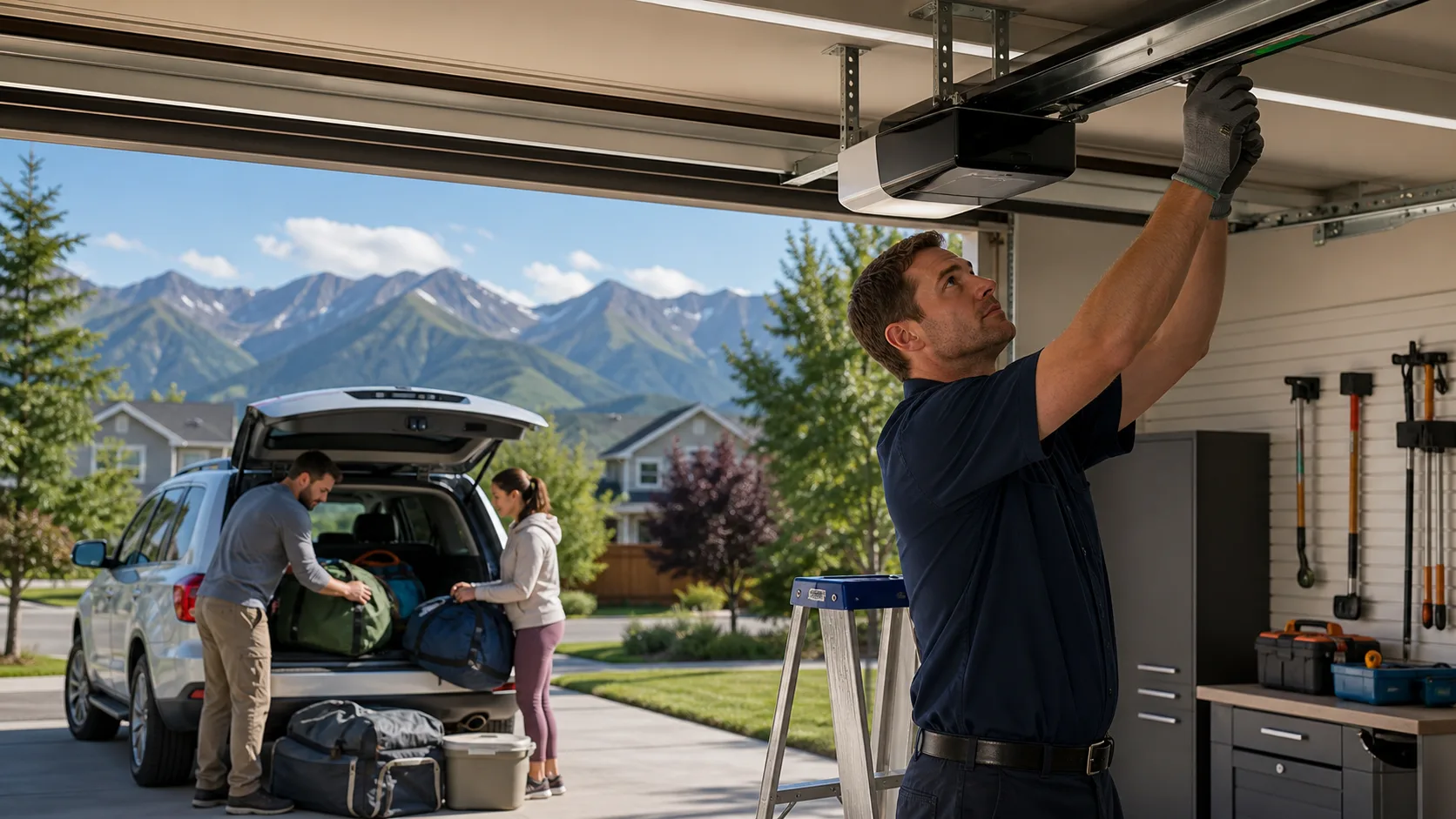
Test the Garage Door Opener’s Winter Readiness
When the snow starts flying, the last thing you want is a stuck or unresponsive garage door opener. Start this check by seeing if the opener is connected to a grounded, surge-protected outlet. Storms or sudden power changes can knock out the opener if not protected. Back-up batteries can help the opener work during outages. Make sure yours charges fully and is not out of date.
Next up:
- Test how the opener responds during cold snaps. If it acts slow or does not lift the full distance, try gentle adjustments to the settings
- Open and close the door using the wall button and remote. Listen for stuttering or odd noises that suggest it is working too hard in cold conditions
- Check that the sensors are lined up and dust free, so the auto-reverse system works every time
Sometimes, electronic parts slow down or sensors lose alignment when temps swing quickly. A seasonal check helps you catch these little problems before they stop your door from working in a snowstorm.
Get Ready for a Warmer, Quieter Garage This Winter
A few steps taken now can save a lot of trouble all winter. By checking seals, tightening parts, adding fresh lubricant, and giving insulation some attention, you cut down on the cold that leaks inside and protect your garage from damage caused by months of freezing weather.
When these jobs are handled before the snow settles, your garage door works better and lasts longer. You spend less time fighting with repairs on snowy days and enjoy a space that feels better no matter how low the temperature goes. Taking care of each detail, from inspections to updating insulation, means less hassle and a quieter, more comfortable garage all season in Alaska.
Colder air creeping into your garage might be a sign of worn seals, outdated insulation, or parts that aren’t holding up well in Alaska’s freeze. Weather can shift fast around Anchorage, Wasilla, and Palmer, so it pays to tackle these issues early. A quick inspection and a few updates now can help prevent bigger problems later. To talk with Elite Doors about garage door winterization in Alaska, just send us a message; we’re here to help