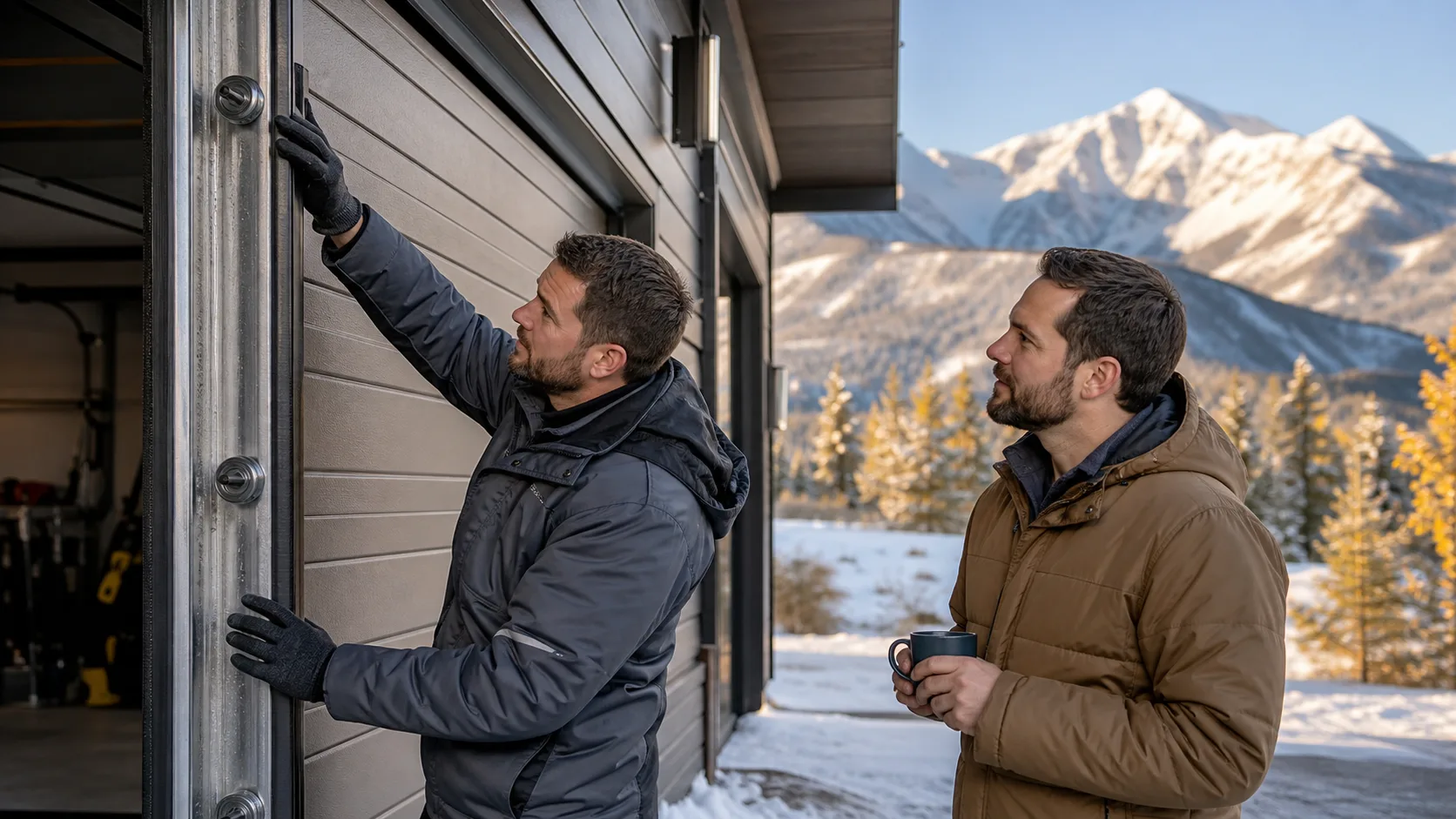

Frozen garage door tracks are one of those cold-weather surprises we’d all rather avoid. When winter takes hold across Alaska, especially in places like Anchorage, Wasilla, or Palmer, temperatures don’t just stay below freezing. They drop fast, stay low, and often bring ice with them. That’s when we start to notice garage doors that don’t open right, make loud grinding noises, or worse, won’t move at all.
This kind of trouble usually starts with ice building up on the tracks. It might not seem like much at first, but left alone, it can cause the rollers to jam or throw the door out of alignment. Keeping garage door tracks working through winter really comes down to prevention. That’s where regular garage door maintenance and repair can make the biggest impact, especially before the deep freeze sets in.
What Causes Ice to Form on Garage Door Tracks
It doesn’t take much for water to freeze. And in our climate, it doesn’t take long either. Garage door tracks are often the first place snow and moisture collect, especially when doors open and close while snow is falling or melting nearby.
- Warm air escaping from the garage meets cold metal parts, leading to condensation that freezes quickly
- Roof runoff or blowing snow can drift near the bottom of the garage door, where it sneaks into track openings
- If the garage isn’t well sealed, cold air mixes with wet indoor air, raising the odds of ice buildup around the tracks
We sometimes overlook just how many ways moisture gets into a garage. Even a small gap under the door or an old strip of weather sealing can allow enough water in to cause ice, especially overnight as temperatures dip. Once it’s there, the track can become harder and harder for the rollers to slide through.
Signs Your Tracks Might Be Freezing
Catching the problem early is the best way to avoid bigger headaches. Most of the time, the signs are there, you just have to know what to look for.
- The door moves slower than usual or sticks in one spot while opening or closing
- You hear screeching, creaking, or sudden thuds that weren’t there before
- There’s ice buildup along the bottom edge or near corner frames where snow tends to collect
We’ve seen plenty of doors jam up without warning, but most gave small clues a few days beforehand. A frozen track can easily look like harmless buildup at first. But ignoring that clump of frost or discolored spot on the track could mean trouble when the temperature drops overnight. If the wheels start grinding instead of rolling, the risk of long-term damage goes up fast.
Why Garage Track Issues Are Worse in Alaska Winters
Cold spells here don’t just last a few days, they stretch across weeks. Around Anchorage, Wasilla, and Palmer, we see snow that blows sideways and temperatures that swing wildly. That makes frozen tracks more than a once-in-a-while issue. It turns them into something we prepare for most of the season.
- Wind carries snow into gaps, even when the door looks closed
- Ice from nearby trees or rooftops can drop right in front of the door, freezing in place
- When snow piles up against the garage, it puts pressure on the door and creates extra moisture as layers melt and refreeze
Garages that sit near sloped driveways or below roofs are especially at risk. Melting snow runs down toward the door and often slides into the track area. When the sun goes down or the wind picks up, that thin layer of melted water freezes solid. That’s when opening the door the next morning becomes a struggle or a repair job waiting to happen.
How Regular Maintenance Helps Keep Tracks Clear
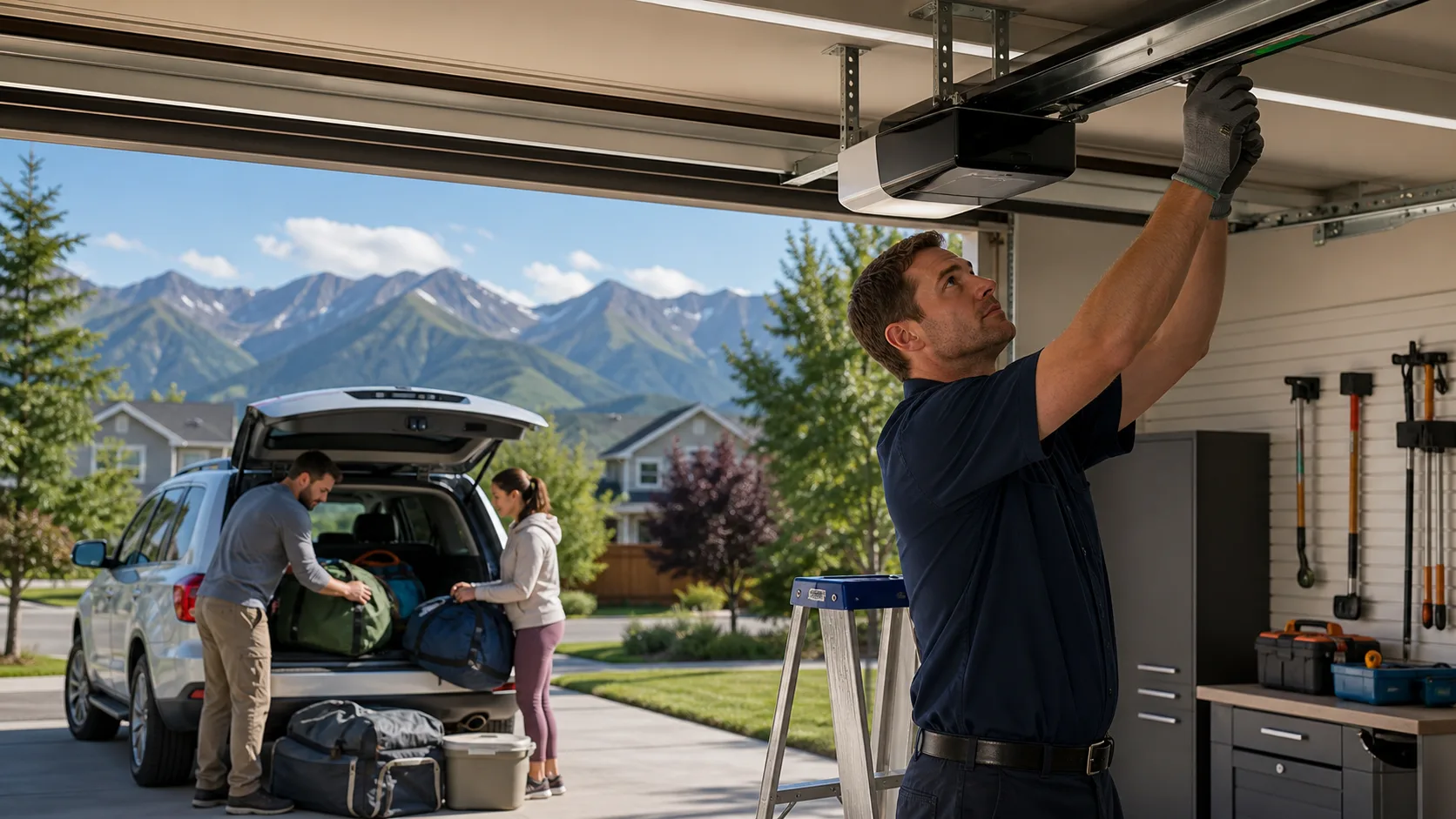
This is where garage door maintenance and repair really start to prove their worth. Cold weather has a way of sneaking up fast. By the time ice appears on the tracks, smaller issues may already be hiding underneath.
- Seasonal inspections help spot gaps, misaligned tracks, or worn-out hardware before winter hits
- Lubrication applied during fall service calls can help moving parts resist freezing and stickiness
- Tightening up fasteners and checking alignment can prevent uneven wear and ice buildup over time
Maintenance isn’t about rushing in when something breaks. It’s about keeping everything working smoothly, and resisting winter’s worst, before bigger problems take hold. We’ve noticed that garage doors that get checked before the cold really sets in tend to have far fewer mid-winter issues. It’s not just about the tracks either. The hinges, rollers, and openers all benefit from a good once-over before the snow starts piling up too high.
Elite Doors is known for working through Anchorage, Wasilla, Palmer, and the entire Matanuska-Susitna Valley, handling garage door maintenance and repair with top-quality weather-resistant hardware that stands up to harsh winters.
Staying Ahead of Winter Garage Problems
Frozen garage door tracks might seem like a small hassle, but they’re often the start of something bigger. Once ice finds its spot and sticks around, it puts extra weight and tension on other parts of the system. Things start to move unevenly. Openers work harder than they should. Before long, it’s more than just cold, it’s costly.
Staying ahead of these issues means giving your garage the attention it needs before winter has its grip on everything. When we watch for the early signs and don’t ignore the little noises or movements, we give our doors a better shot at surviving the season without drama. Winter in Alaska is serious, but so is a well-maintained garage door. A little effort now keeps the cold exactly where it belongs, outside.
Prevention is the Best Cure this Winter
At Elite Doors, we know how quickly cold weather can take a toll on your door’s moving parts if they’re not ready for it. Keeping rollers, tracks, and seals in good shape through our long winters starts with consistent care in the off-season. That’s why we always recommend staying ahead with trusted, professional garage door maintenance service. It helps prevent freezing issues before they start and keeps your system running safely when the temperature drops. Now is a great time to contact us if your garage hasn’t had a check-up recently.