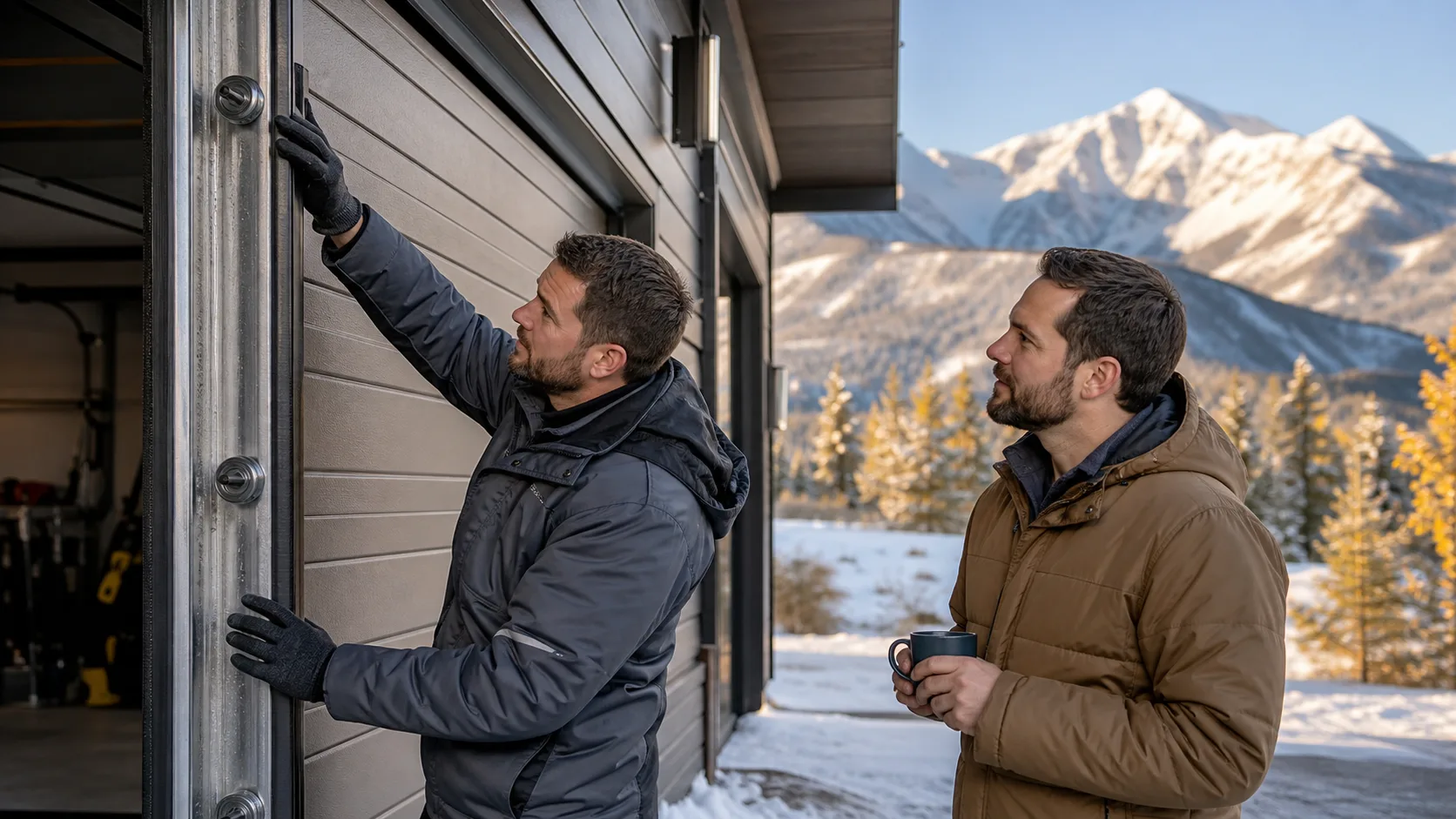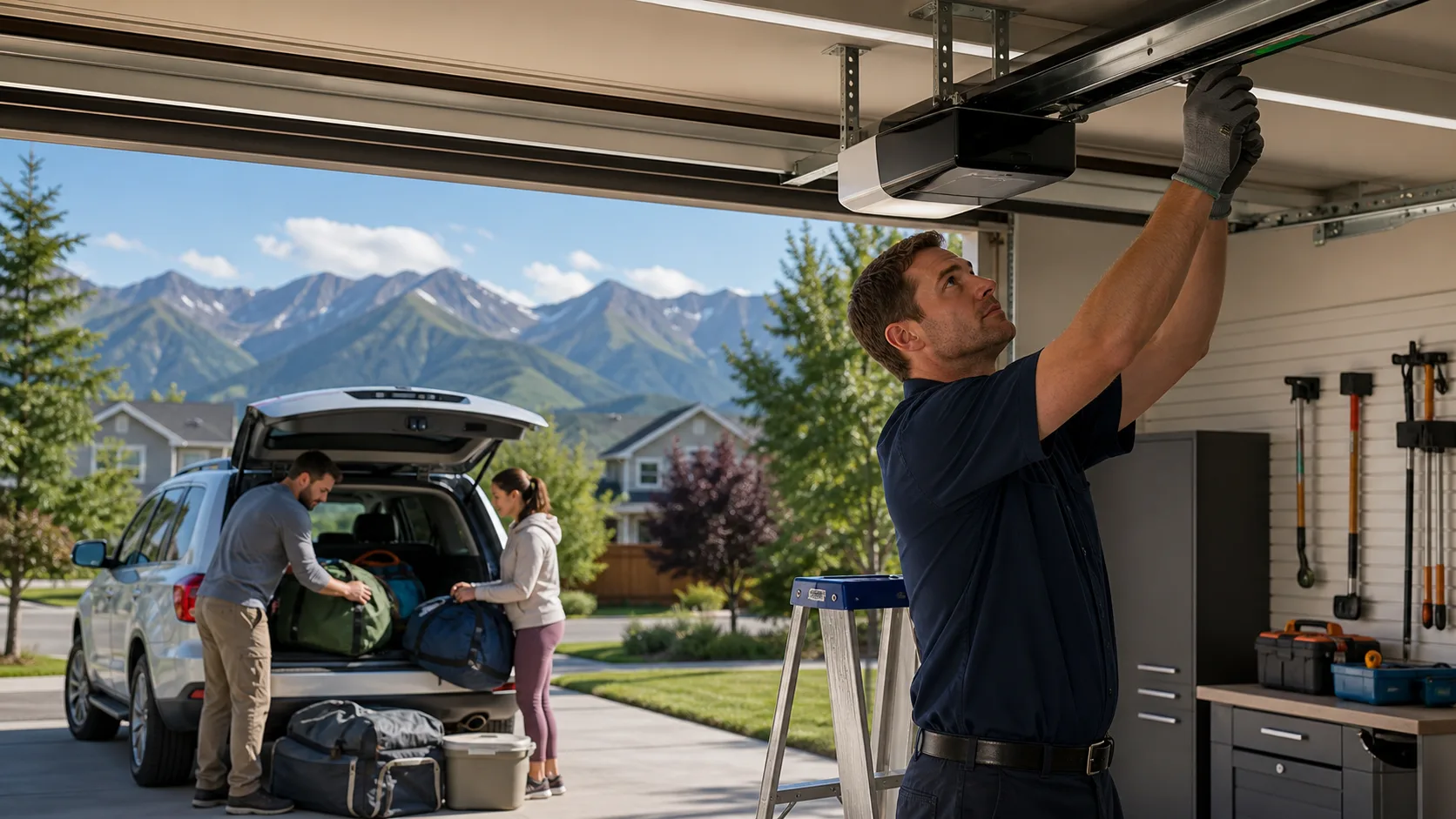

When winter hits hard, garage doors tend to feel it first. Between overnight freezes and heavy snow, it doesn’t take long before you’re stuck chipping away ice just to open the door. We’ve seen it often, ice forming right at the base, turning a simple trip out into a full-blown hassle. For homes and businesses in colder spots, that ice build-up isn’t just annoying. It can be a problem for safety, warmth, and even how long the door lasts.
That’s where the right garage door installation makes a big difference. It’s more than just lining things up and making sure the door runs smooth. It’s about using the right setup to fight off the winter struggle before it even begins. Let’s talk about what causes the issue, and how to help stop it from happening in the first place.
How Ice Builds Up Around Garage Doors
Even on clear days, winter has a way of sneaking into the garage. When snow melts during the afternoon sun and then refreezes at night, water tends to gather and harden right along the bottom edge of the door. Some of it slides in from outside. Other times, road slush drops off tires and settles in the grooves. Either way, the freeze comes fast once temperatures dip again.
What makes it worse is when the seals don’t do their job. A door that isn’t level or has gaps along the sides gives cold air a chance to blow through. Once moisture finds a way in, it doesn’t take long before it turns to ice. That frozen seam can block the door or make it feel glued to the ground. In some cases, trying to force it open just puts stress on the motor or causes unsafe strain on the springs.
Why Proper Installation Matters in Cold Weather
Not every garage door handles winter the same way. How it’s installed makes a big difference in how well it stands up to cold, wind, and moisture. When we talk about garage door installation, we’re looking at more than just how it fits in the opening. We make sure every edge seals right, and all the parts fit how they’re meant to.
It starts with proper weatherstripping, tight seals that press clean across the base and sides of the door. Without these, wind sneaks in and pulls indoor heat straight out. That sudden mix of warm and cold air adds to the freezing and melting cycle around the threshold. The threshold itself needs to sit flush and give water nowhere to pool. And if the frame is even slightly off, a small gap becomes a big problem during back-to-back storms.
- Tight weatherstripping keeps cold air and snow out
- Square, level frames help the door seal evenly
- A good bottom threshold sends water away from the opening
Elite Doors uses premium materials made for Alaska’s weather, including heavy-duty weather seals and insulated garage doors for our winter installations in Anchorage, Wasilla, and Palmer.
Features That Prevent Ice With the Right Door Setup
When we talk about stopping ice before it starts, certain features help more than others. Insulated garage doors keep the inside temperature steadier, which means less chance for freezing to happen around the edges. A warmer surface on the inside of the door helps block outside cold while making melted snow less likely to hang around and refreeze.
Some setups include sloped thresholds, which are just slightly angled so water drains on its own instead of pooling near the base. In places where ice builds fast, this small change can keep a door from freezing shut altogether. Heated garage floors, when paired with solid door installation, also play a part by melting slush before it turns to ice.
- Insulated doors keep surfaces warmer and cut down on freezing
- Sloped thresholds push water away from the seal
- Heated floors help prevent freeze-ups from inside the garage
Doors made with tough winter-ready materials also tend to hold up longer in snow and ice. Wood swells and shrinks with moisture, and thin metal freezes up fast. Properly installed composite or steel doors with insulation in the core can handle snowbanks, drips, and ice without wearing out early.
What Happens When Installation is Skipped or Done Wrong
A badly installed garage door might still work, but not for long, not in cold weather. Gaps in the seal, crooked tracks, or loose mounts all add up. When winter rolls in with freezing rain or deep snow, those small issues turn into frozen panels and motors that strain. The door gets harder to lift, and sometimes the opener can’t handle the load when parts start to drag or grind.
That’s when safety becomes a concern. Icy buildup makes the surface around the door slick. Someone walking past could lose traction, and a frozen seal can tear or snap if a door is forced open. When parts strain too often, they wear faster. Repairs in the middle of winter aren’t just harder, they’re often slower and more expensive.
- Frozen doors can damage openers and springs
- Ice creates slipping hazards just outside the garage
- Uneven wear shortens the life of parts and leads to breakdowns
The Payoff: A Door That Works When Winter Doesn’t
Garage door installation isn’t only about how a door looks on the outside. It plays a big part in how the space inside stays dry and usable when harsh weather hits. The right setup helps keep cold air and snow outside where they belong. It blocks water where it might otherwise sneak in and cause slow build-ups at the base or corners over time.
Winter has enough challenges on its own. Knowing your garage door won’t freeze shut during a snowstorm or early morning freeze is one less thing to worry about. A solid seal, the right materials, and smart extras like thresholds make all the difference. When doors are set up right from the start, they work better, last longer, and do their job no matter how cold things get.
Ice-Free Entrances Start with a Better Door Install
Cold weather can make your garage door stick and leave unwanted snow and ice where they shouldn’t be, but we can help make winter smoother. The way your door fits and seals is more important than most people realize, especially as temperatures drop. A quality garage door installation in Anchorage keeps your home safe and your garage working as it should. At Elite Doors, we handle the job right the first time so you avoid getting stuck out in the cold. Reach out today and let’s talk about the best garage solution for you.