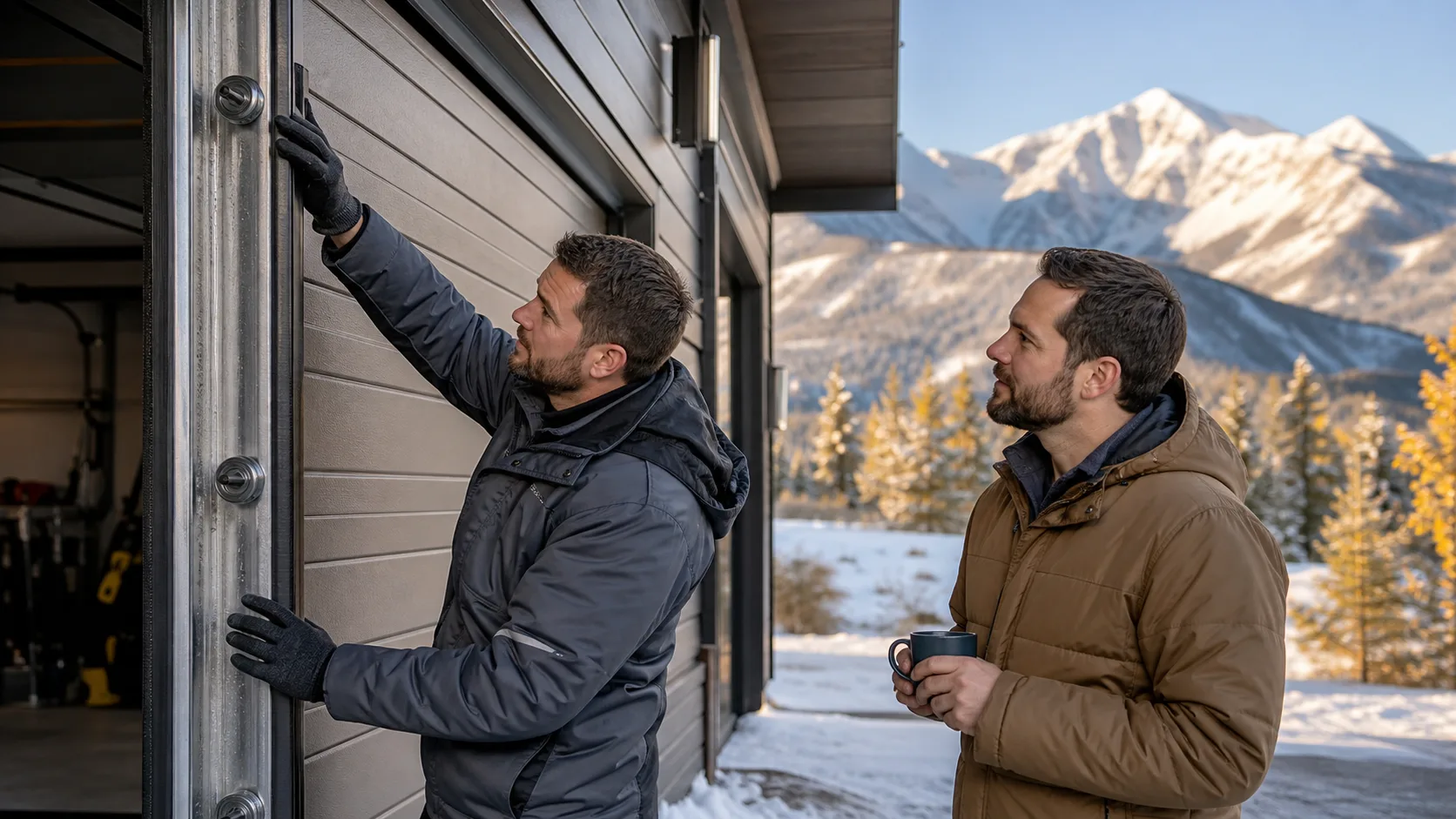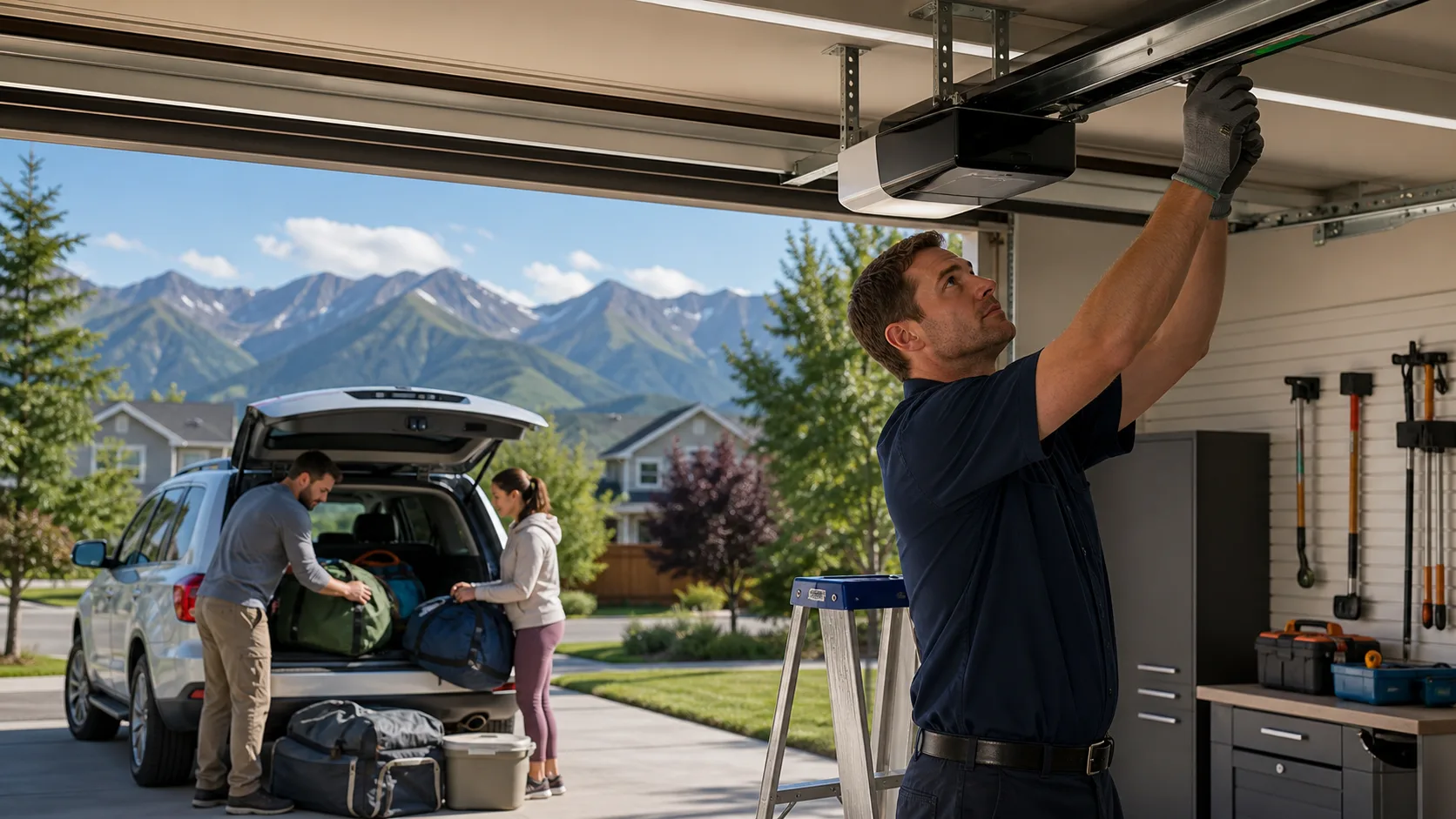

Winter weather hits hard in Alaska, and that includes our garage doors. With deep snow, freezing temps, and whipping wind, not every type of garage door holds up well once the cold sets in. If you’re thinking about a garage door replacement before temperatures drop even more, one of the smartest things you can do is choose a material that works with winter, not against it.
Different garage doors are made from different materials, and each one responds to Alaskan winters in its own way. Some stay strong and seal out cold air. Others need more upkeep, especially after snow or rain. We’ve broken down the best material types to help you make the right choice for smoother mornings, fewer repairs, and a warmer garage all season long.
Steel Garage Doors: Strength Meets Durability
Steel is one of the most popular choices for garage doors in tough climates. It’s built to last and strong enough to take on both heavy snow and strong wind.
- Steel doors are tough and hold up well when weather shifts fast, which is pretty common during Alaska’s winters.
- When you add insulation to steel, it helps keep heat inside, lowers drafts, and makes the garage more comfortable.
- Steel can rust over time if it isn’t cared for, especially when it’s exposed to moisture and road salt. Look for doors that are coated or painted well, and check them regularly when snow builds up near the base.
If you’re looking for something that stays put and shields against cold, a well-sealed steel door can hold its own through plenty of winters.
Elite Doors installs insulated steel garage doors and weather-sealed hardware made to withstand harsh temperatures and snow loads common throughout the Matanuska-Susitna Valley.
Wood Garage Doors: Rustic Looks, High Maintenance
A wood garage door gives a warm, natural look that works well with Alaskan homes. But that charm comes with some extra upkeep, especially when snow is in the picture.
- Wood can absorb moisture, and in freezing conditions, that can lead to warping, swelling, or even cracking.
- Unless sealed and finished properly, wood needs constant attention to keep from breaking down in cold or wet conditions.
- These doors might not be the best fit if you’re hoping to spend less time scraping ice and more time staying warm inside.
Wood is a strong material but tends to need more care during the winter months. It may still work for some homes, but we’d suggest thinking it through before going that route for a full garage door replacement.
Aluminum Garage Doors: Lightweight but Not Always Warm
Aluminum is a lighter material that often gets picked for its modern look and smooth operation. It’s also naturally resistant to rust, which comes in handy once slush and salt start sticking to everything in sight.
- It holds up well against rust, which makes it great if your driveway stays wet or salted all winter.
- Because aluminum is light, openers don’t have to work as hard in freezing conditions. That reduces wear and tear when motors tend to slow down.
- The downside is that aluminum doesn’t hold heat very well. If your door isn’t insulated, it’ll let the cold pass through more easily than steel or wood.
Aluminum can be a good option in the right setup, especially if you’re focused on keeping things low stress during the colder months.
Fiberglass and Vinyl Options for Harsh Climates
Both fiberglass and vinyl offer a low-maintenance answer to snow and moisture. They’re not used as often in Alaska, but they can be a smart fit for homes focused on weather resistance.
- Fiberglass is resistant to water and doesn’t crack or rust when it freezes. It can even look like wood but without the upkeep.
- Vinyl stands up well to salty air, wet snow, and freeze-thaw weather. It rarely needs painting or scraping once winter rolls around.
- Some models aren’t built to carry the weight of heavy snow, so it’s important to check the strength rating before picking this material for replacement.
We’ve seen these doors work well in spots where snow builds fast and moisture sticks around. They may not be the first pick for strength alone, but they do cut down on winter chores.
Picking the Right Material for Your Winter Garage Door Replacement
Each garage door material comes with trade-offs, so it helps to match your choice to the kind of winter support you need most.
- If warmth and strength are key, insulated steel is hard to beat for Alaskan winters.
- If you want less upkeep, vinyl or fiberglass might hold up better through snow and salt.
- If keeping the classic look is your top priority, wood might work, but only with regular maintenance.
When planning a garage door replacement, don’t get stuck on appearance alone. Think about how often you want to refinish, how well the door traps heat, and whether it can stand up to months of snow and ice.
Elite Doors is a family-owned company offering garage door replacement solutions for homes across Anchorage, Wasilla, and Palmer, with local support for every climate challenge.
Making Winter Easier with the Right Door Choice
Choosing the right garage door material before winter sets in can make a big difference. Good materials stand up to storms, wind, and cold without causing stress on busy mornings. They help keep the inside of your garage warmer and stop the battle with frozen parts and winter warping.
If you’re planning to replace your garage door, the right material might save you hours of hassle later. And when snow is falling fast and temps are far below freezing, that peace of mind goes a long way.
Ready for Winter? Upgrade Your Garage Door Today
Choosing the right door makes all the difference when winter sets in, and at Elite Doors of Alaska, we know which materials and designs hold up best during the colder months. A smart investment now can help you avoid unexpected repairs while keeping your home comfortable all season. See our available options for residential garage door replacement to find the perfect fit, and contact us anytime with questions. We’re here to support you every step of the way.