
When winter settles in, a stuck garage door can complicate even the simplest morning. You press the button, expecting your door to lift like it always does, but nothing happens. In cold weather, frozen parts or mechanical hiccups can leave things jammed at the worst moment. Alaska’s long winters push garage doors to their limits, and the deeper the freeze, the more likely things are to go wrong.
Cold temperatures are especially hard on garage door systems. Parts that work smoothly in the summer may start sticking, freezing, or moving slower than usual. Knowing where to look and how to respond helps limit frustration. Quick action paired with smart decisions can get things back to normal faster. And when something bigger needs attention, professional residential garage door repair is often the right next step. As a family-owned company serving Anchorage, Wasilla, and Palmer, we offer residential garage door installation, replacement, maintenance, and repair built for Alaska’s challenging climate.
Check for Simple Power or Lock Problems
When your garage door won’t budge, the issue might not be mechanical at all. It’s easy to overlook the basics when you’re in a rush or standing in the cold, but checking a few simple things first can save a lot of time.
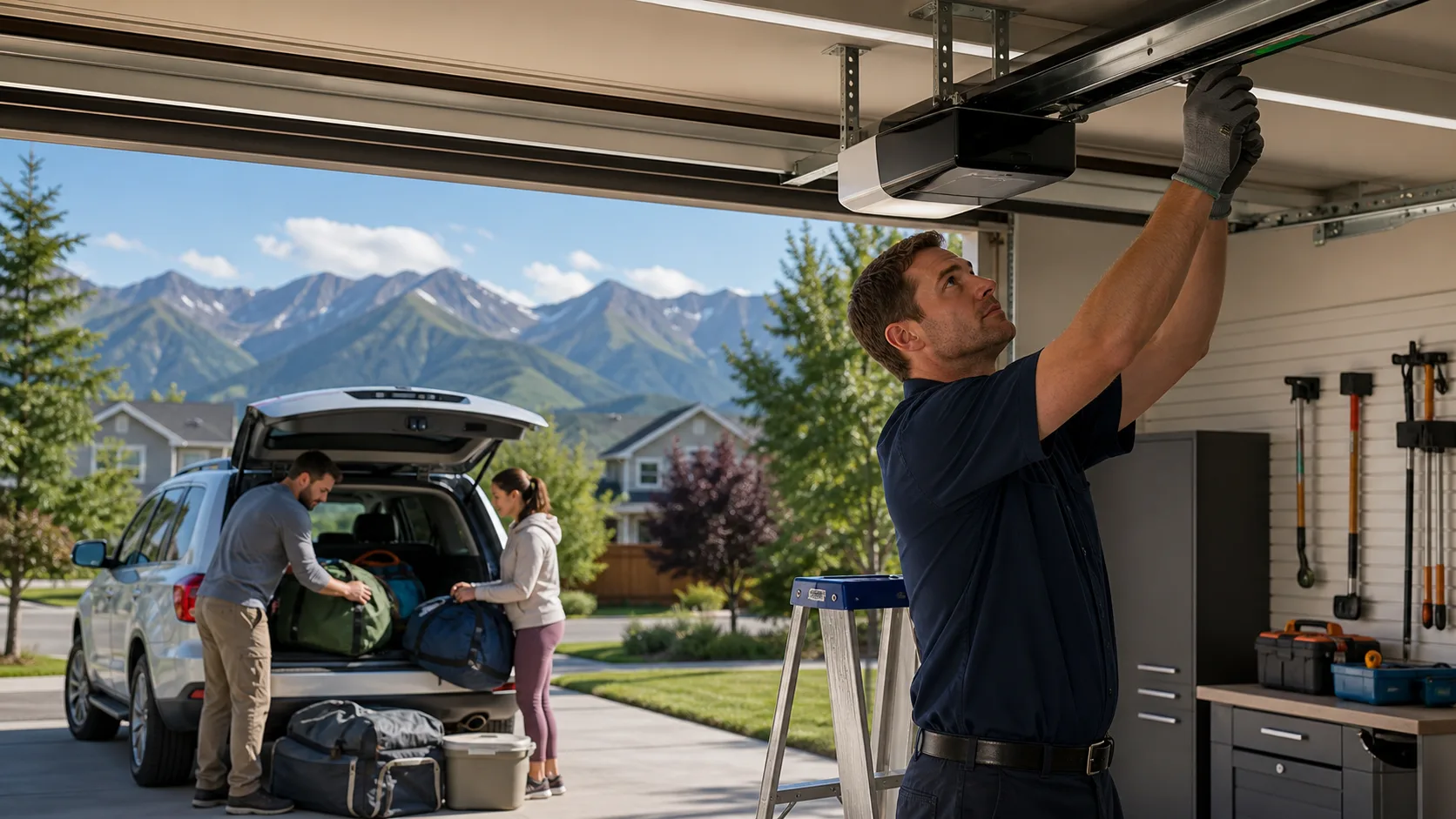
Start with the opener. Make sure it’s plugged in and hasn’t lost power. A tripped breaker is a common issue, especially after a winter storm. If the outlet works but the opener doesn’t respond, something may have cut off its power.
Next, try the wall button and remote control. If neither works, the problem might lie with the opener itself. But if just one isn’t working, replacing the batteries or checking for loose wiring could make a big difference.
Lastly, take a look at the wall button for a small lock light. Some systems have a vacation or lock mode that disables remote functions. If it’s turned on, your door won’t open no matter how many times you click.
Look for Ice or Frozen Parts
Once you’ve cleared the basics, it’s time to consider winter’s rougher effects. When temperatures drop fast at night or snow builds along the base of the door, moving parts can get stuck. Ice might form underneath the door or in the tracks, which can block normal movement.
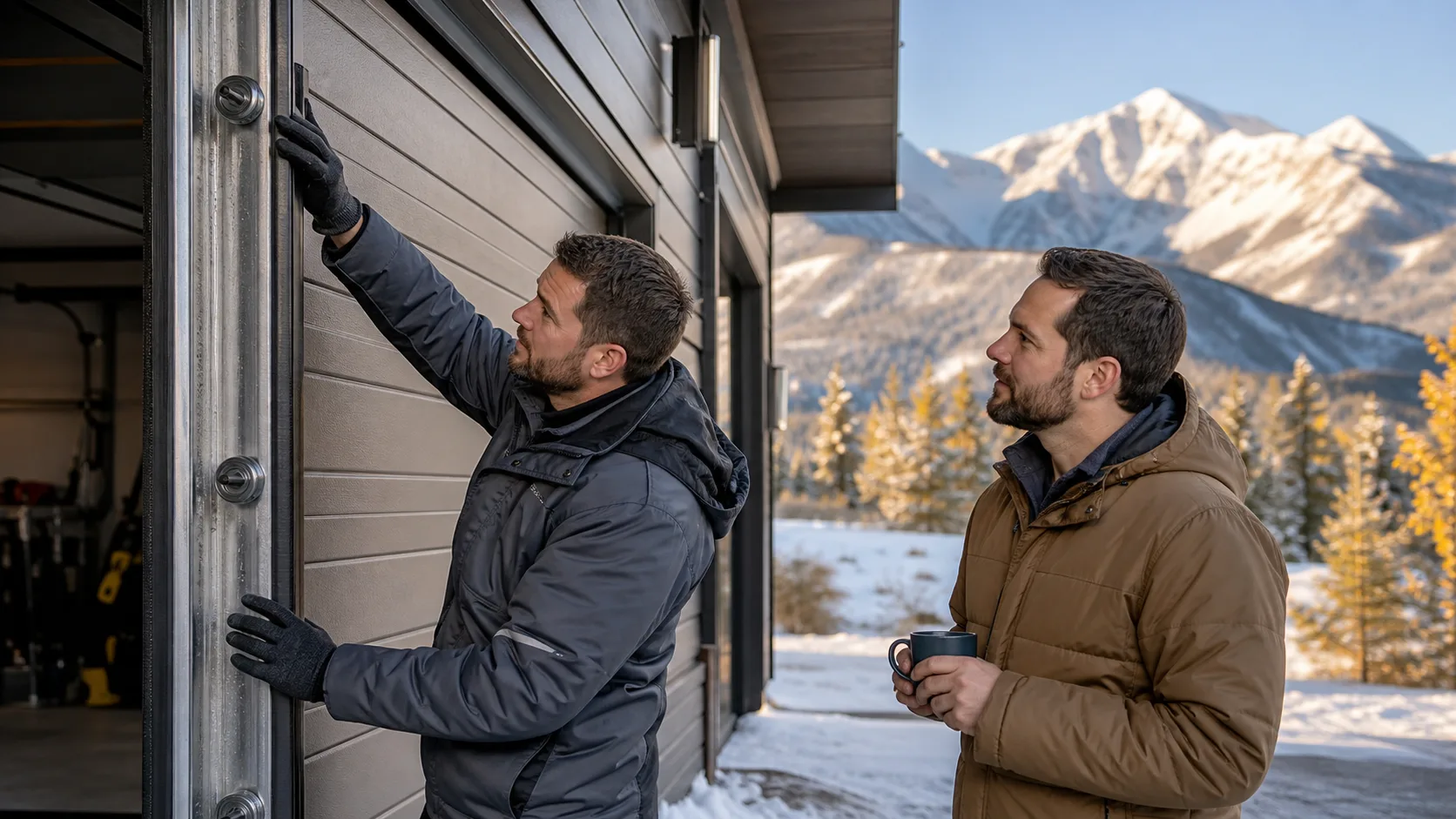
Check the bottom seal first. If it’s frozen to the ground, that alone can hold the whole door shut. Look around the hinges, rollers, and the metal tracks too. Ice buildup might not always be obvious, but even a little can make things harder to move.
Cold weather also changes how parts behave. Springs and openers may feel sluggish or stop working altogether. If parts seem stiff or out of line, forcing the door open can lead to bigger damage.
Pay Attention to Odd Sounds or Movements
Sometimes, your garage door gives hints before it stops working completely. Strange sounds or jerky movements are worth noticing, especially in winter. When things are cold, metal contracts and parts shift ever so slightly. That movement can do more harm than expected.
Listen for grinding, squeaking, or thudding. These noises usually mean that something is trying to work through resistance. A little noise might not seem like a big deal, but skipping over it can make small problems worse.
If the door jerks as it moves or gets stuck partway, that’s a sign of strain. This is when professional residential garage door repair starts making sense. Trying to fix a noisy or crooked door on your own in freezing weather often causes more problems. And forcing any part to work harder than it should can shorten its life or even break it entirely.
Why Professional Repairs Work Best in the Winter
Trying to fix a garage door in freezing weather isn’t just inconvenient. It can be dangerous if you don’t know what to look for or how to handle high-tension parts, like springs and cables. Cold temperatures make those repairs even trickier.
People sometimes think a little elbow grease will fix the problem, but winter tightens everything. The springs that lift your door can snap if they’re under too much pressure. Cables can fray or pop loose. And when you’re working in freezing air without the right tools or experience, things get risky fast.
Experts understand how the cold affects each part of the system. They can spot early signs of wear or damage, doing the kind of repairs that actually help your door last longer. A winter tune-up done right can prevent weeks of frustration later on, especially during a season where getting stuck means more than just being late. Our technicians work on residential doors throughout the Mat-Su Valley and are familiar with how Alaska’s low temperatures affect openers, springs, and tracks.
When to Call for Help
There’s a point when it just doesn’t make sense to figure things out on your own. If your garage door won’t move at all or makes loud clunking or scraping sounds, it’s time. If it’s sitting off-track or looking tilted, don’t touch it.
Waiting too long can turn a simple issue into a big deal. Gaps in the seal can let cold air inside. Trying to lift a frozen or stuck door by hand can lead to injuries or damage. Fast help means you spend less time in the cold and keep your home secure.
In a tough winter like the ones we often see in Alaska, garage doors take a beating. They need to stay reliable when the rest of your day depends on them. Frozen tracks, creaky motors, or stuck rollers don’t fix themselves. Acting early is better than getting caught off guard again next time.
Keep Your Day Moving, Even When It’s Cold Outside
A garage door that doesn’t open in the cold can throw your whole day off. You might be late to work, miss an appointment, or just feel stuck before the day even begins. Winter makes everything run a bit slower, but it shouldn’t stop your plans completely.
Knowing what to check, where to look for trouble, and when to ask for help makes a big difference. Most small issues show up before a full breakdown happens, and catching them early keeps your home running smoothly through the cold months. The key is staying alert and not ignoring early signs.
When winter throws its worst at your garage door, a little planning and the right help can keep things moving the way they should.
Winter in Alaska can be rough on garage doors, but small issues don’t have to lead to bigger problems. If your door is stuck, noisy, or moving strangely, it might be time for a closer look. We’re here to help keep your day on track with fast, reliable support when you need it. Learn more about how we handle residential garage door repair in harsh winter conditions. Call Elite Doors today if your garage door isn’t working the way it should.