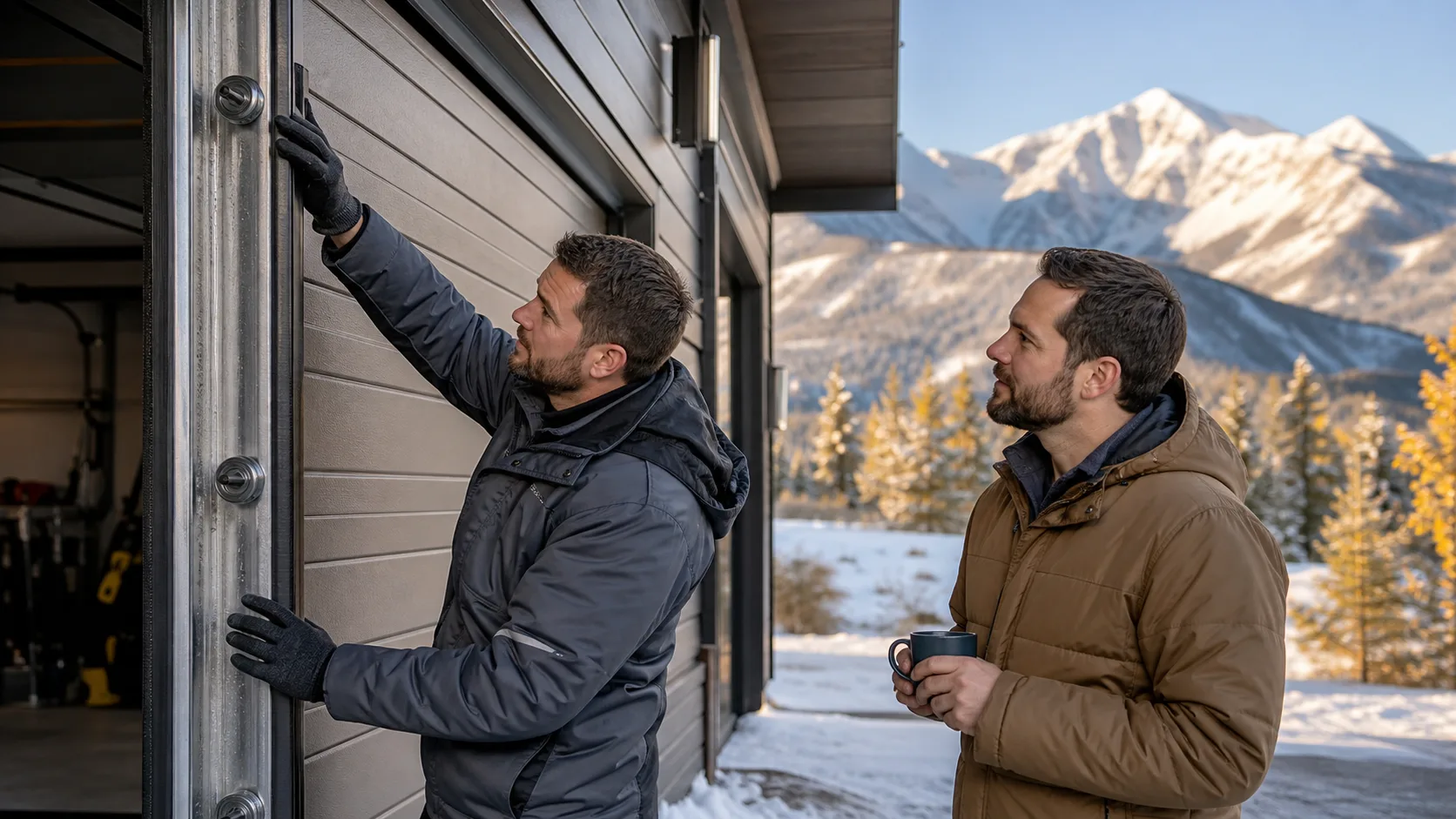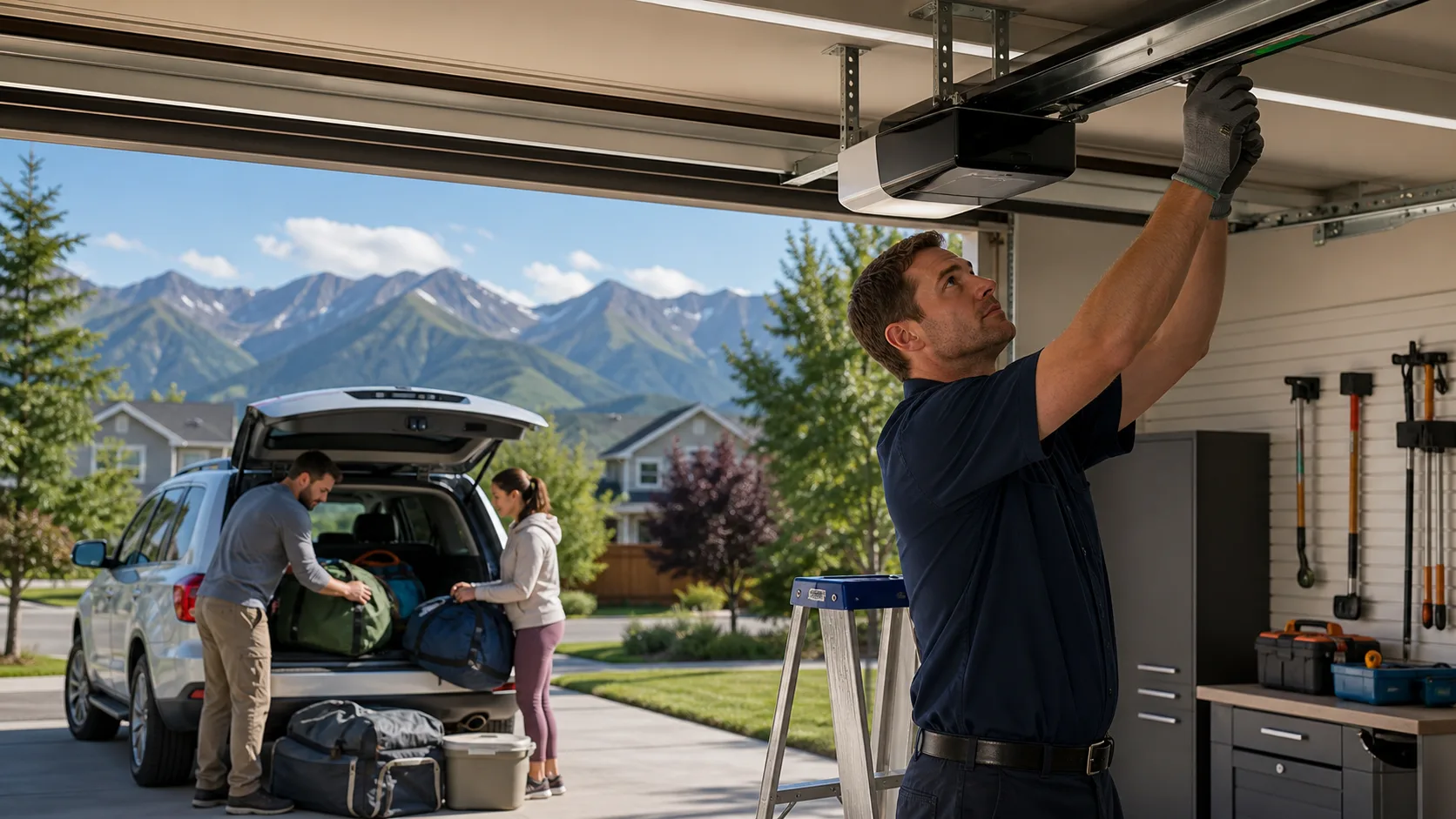

After a mid-winter ice storm, garage doors across Palmer often stop working the way they should. The wind and falling ice may not seem like a big deal at first, but the real trouble shows up later. It’s not always the big crash or a broken panel that causes problems. Sometimes, it’s the smaller wear and strain that gets worse each week the cold sticks around.
During these storms, we see how freezing rain, slushy snow, and wild temperature swings all affect garage doors. One day everything’s fine, then the next, the door groans, moves slow, or won’t open at all. Many homeowners call for garage door repair in Palmer after these storms, not because one thing suddenly broke, but because the door’s been quietly wearing down in ways they never noticed. We provide garage door repair services in Palmer, Wasilla, Anchorage, and across the Mat-Su Valley, so help is close by when winter weather takes a toll.
How Ice Storms Impact Moving Parts
When you think about ice freezing solid around a garage door, it’s easy to picture the bottom edge sticking to the ground. But the deeper issues start inside the parts you can’t always see. Hinges, rollers, and tracks are made to move, glide, and flex with the door. This all works fine until water finds its way into small gaps, freezes overnight, then melts again the next day.
That freeze-thaw cycle repeats daily after an ice storm. Trapped moisture expands and contracts, slowly warping or locking up the hardware. Pretty soon, the door might:
• Stick for a second before it starts to lift
• Open slower than usual or stop partway
• Jam when trying to close fully, leaving a gap at the bottom
These signs can catch people off guard. What felt like a one-time hiccup becomes a regular annoyance that doesn’t go away on its own.
Cold Makes Garage Door Openers Work Too Hard
Garage door openers aren’t built to fight against ice. When there’s extra weight on the door panels, frozen hinges, or stuck rollers, the opener tries to push through anyway. That extra force puts serious strain on the motor and usually results in unusual behavior.
After recent ice storms, we often hear about these warning signs:
• The opener makes a buzzing sound or clicks but doesn’t move anything
• The door starts to lift or drop, then dies halfway through
• There’s a long delay between pressing the button and the opener starting
Other times, sensors near the ground freeze or get knocked out of position. That makes the system think something is blocking the door, stopping it from working like it should. On cold mornings, those little glitches add up and leave families stuck with a frozen door. Our technicians are experienced in fixing garage doors that won’t open in Alaska’s cold climate, including issues with frozen tracks, stiff springs, and opener malfunctions.
Seals, Panels, and Frames Under Pressure
Even the strongest garage doors can struggle when ice builds up around them. It’s not just sharp sleet or falling branches, the weight of freezing rain alone can push against panels and force misalignment over time.
We often see damaged seals that used to block out cold air but now stay frozen stiff or crack completely. That lets moisture sneak into the garage, freezing near the ground and around the bottom section of the door.
Some common trouble spots include:
• Gaps at the bottom edge where melted snow refreezes overnight
• Door panels bending slightly from long-term pressure
• Wooden frames swelling, cracking, or shifting
It all starts small, like a rough sound when opening the door. Left alone, those issues grow fast and lead to bigger structural problems down the road.
When It’s Time to Call for Help
After a heavy ice storm, there are signs that should not be ignored. Some of these seem minor at first, but each hint points to a deeper problem that needs fixing before it leads to full failure.
Here are a few common red flags to watch for:
• Rattling, squealing, or sharp clunking sounds during movement
• The door sags or moves unevenly when opening or closing
• Nothing happens when the opener is triggered, or the motor whines but won’t lift
• The door stops halfway and won’t move up or down
Any of these signs tell us the system has been strained too long. A quick check from someone trained to spot weather-related damage can keep it from turning into a longer, more expensive fix.
Staying Ahead of the Next Ice Storm
Winter shifts fast in Palmer. One week might bring slick roads and school closures, while the next seems calm but freezing, with hidden layers of snow and ice left behind. That quiet stretch after a storm is the best time to check your garage door.
A quick look at how the door moves, sounds, or seals up can catch early wear before it worsens. When things like rollers, openers, and weather seals are looked at regularly, there’s less chance of getting stuck during the season’s next big freeze.
Living here means we’re always keeping an eye on changing weather. That includes knowing how winter in Palmer affects the structures we rely on every day. A frozen or sluggish garage door may not seem like a top concern until it stops working altogether. Keeping up with checks and repair can make a big difference before the next storm hits.
A harsh Palmer winter can wear down your garage door with issues like frozen rollers, opener strain, and panel pressure turning into major problems if left unchecked. Many of the calls we receive at Elite Doors reveal a common theme where early warning signs were missed until damage became more severe. Learn more about how we handle garage door repair in Palmer and contact us as soon as possible to keep your door running safely and efficiently.