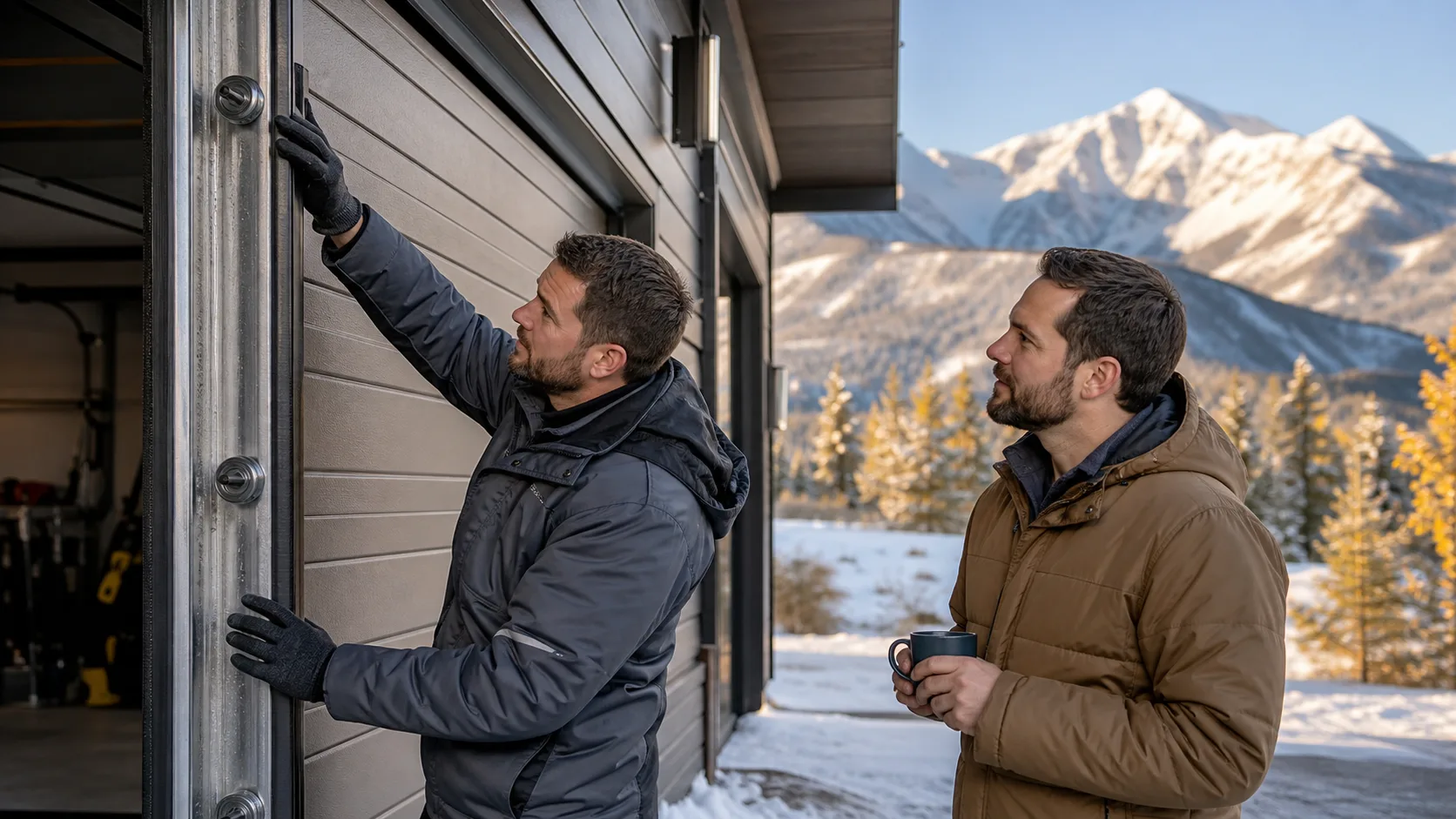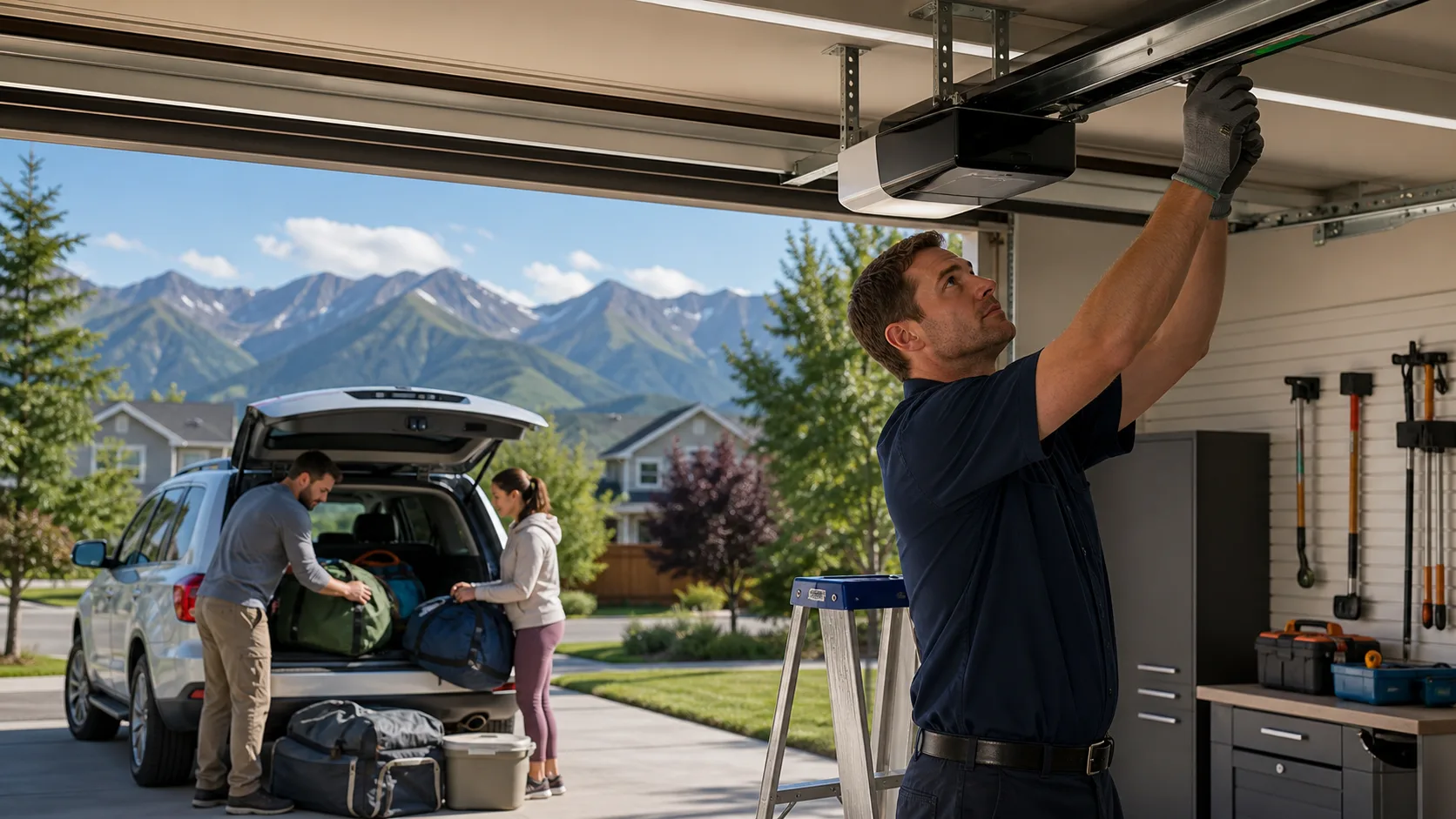

Cold weather impacts more than just your morning drive or backyard snow piles. Around the house, freezing temperatures can take a toll on the garage door. Metal parts like springs and tracks work hard every day just to open and close that door, and in the winter, they face extra pressure from the cold.
Ice, snow, and deep freezes have a way of showing up fast, especially in places like Alaska where winter doesn’t take breaks. When our garage doors have to deal with icy build-up or metal parts that keep freezing and thawing, problems can pop up fast. A solid garage door maintenance service helps prevent the wear and tear that comes with these cold spells. It’s a way to keep your garage working smoothly even when your car’s thermometer reads below zero.
What Cold Weather Does to Metal Parts
Metal isn’t as flexible as it may seem. When warm, it expands a little. When cold, it contracts. In winter, that shift can cause serious problems for garage door hardware.
Here’s what really happens as the temperature drops:
- Metal springs, cables, and tracks shrink when they freeze, which makes them tighter than usual
- This tension causes parts to crack, bend, or pull inward as they lose their flexibility
- When frozen parts are used like normal, they can break under the stress
Tracks can warp just slightly, but even a small bend is enough to throw a heavy garage door off balance. Springs may snap without warning when they’re brittle from the cold. These aren’t just small issues. They can stop a garage door in its tracks, and when that happens, daily routines take a hit.
Signs That Winter Has Messed with Your Garage Door
Sometimes the signs are obvious. Other times, they creep in slowly. If something in your garage door starts feeling off in the middle of winter, it could be a warning before a bigger problem sets in.
Look out for these common signs of cold-weather strain:
- The door starts making loud, squeaky, or grinding sounds as it moves
- It rises slowly or gets stuck when starting to open
- One side closes faster than the other, or the whole thing comes down crooked
- The door gets caught halfway, even though nothing seems to be in the way
When your garage door starts showing these signs, it’s likely the tracks or springs are struggling after weeks of freezing temperatures and constant use.
Why Tracks and Springs Are So Important
The real work of a garage door happens in the springs and tracks. Springs carry the heavy weight of the door and make lifting feel light. Tracks keep the whole thing steady as it moves up and down.
When either part has trouble, the door can become unstable or stop working altogether. This can result in:
- Springs snapping from too much pressure
- Tracks bending or pulling loose from the wall
- Rollers wearing down faster when alignment is off
These issues can be hard to predict but easy to prevent. That’s why keeping an eye on both parts during the colder months matters so much.
How Garage Door Maintenance Service Helps in Cold Weather
Winter isn’t an ideal time for surprises, especially when dealing with a door that won’t budge. That’s where a garage door maintenance service fits in. Regular checks give us a chance to spot trouble before it grows into something bigger. As part of a typical maintenance visit, our technicians inspect springs, cables, rollers, and tracks, tighten hardware, and lubricate moving parts so they continue to work smoothly in freezing temperatures.
A proper mid-winter service can:
- Catch trouble early, like stretched springs or off-kilter tracks
- Keep parts clean and free of buildup from ice, salt, and debris
- Make sure metal parts still move the way they should instead of freezing in place
Even during deep freezes, professional maintenance helps everything run smoother. A quick tune-up often makes a big difference for homeowners who rely on their garages every single day through the cold months.
When to Schedule a Winter Check and What to Expect
Late February is a good middle point in the winter for many places, especially parts of Alaska where snow lasts several more weeks. That makes it a smart time for a tune-up before the spring thaw begins.
Here’s what a technician usually checks during this kind of visit:
- Spring tension, so the door lifts and lowers evenly
- Track alignment, to confirm the door’s path is smooth and not bent
- Rollers, cables, and seals, seeing how they’ve held up to snow and ice
A mid-season check helps spot anything that’s becoming strained due to long-term exposure to cold, moisture, or buildup. These visits aim to prevent sudden failures when you least expect it.
Keep Your Garage Door Moving No Matter the Weather
Winter sticks around for a while in cold climates, and garage doors feel it right along with us. Between the freezing, thawing, and day-to-day use, tracks and springs can wear down quietly until something finally gives. That’s why it’s helpful to pay attention early.
We’ve found that the door runs better all season long when problems are spotted before they become interruptions. Regular care keeps things working the way they should, no matter how cold it gets outside. For many homeowners, that peace of mind is more than worth it.
Winter can quickly wear down moving parts and cause unnoticed damage to springs or tracks that may stop your door from working properly. Regular garage door maintenance service helps prevent these issues before they become costly repairs. At Elite Doors, we understand how Alaska’s harsh winters take a toll on doors used every day, so call us today to schedule your checkup before the season shifts again.